

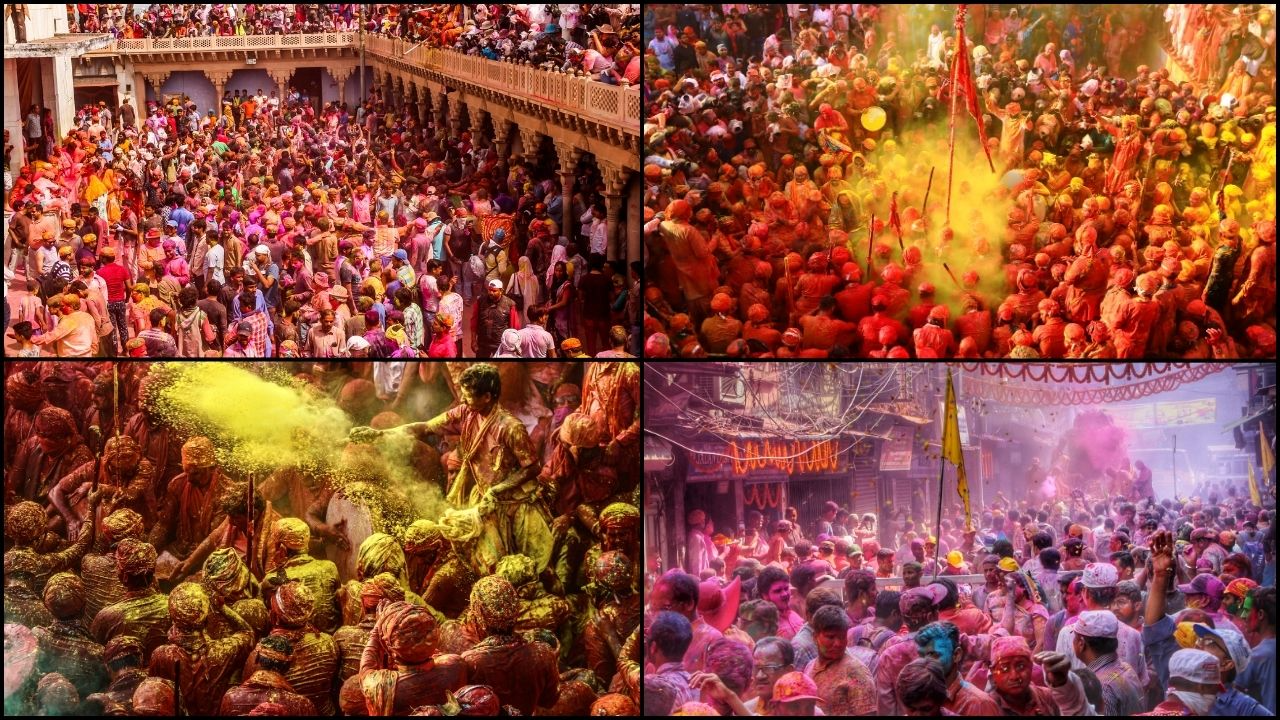
Holi is one of India’s most vibrant and joyful festivals — celebrated as the Festival of Colours, the Festival of Love, and the Triumph of Good over Evil. It marks the arrival of spring, the renewal of life, the end of winter’s gloom, and the strengthening of bonds among family and community members. In 2026, Holi will be celebrated with traditional fervour, colour fights, bonfires, cultural rituals, music, sweets, and deep symbolic meaning.
🗓️ Holi 2026: Date & Muhurat
According to the Hindu lunar calendar:
- Holika Dahan (Chhoti Holi): Tuesday, March 3, 2026 (Evening) – sacred bonfire ritual.
- Rangwali Holi (Main Festival of Colours): Wednesday, March 4, 2026 – joyful color play celebration.
Holi is traditionally observed over two days: the night before with bonfires that symbolize the destruction of negativity, and the next day with colours, music, dance, and celebration.
🔥 The Story Behind Holi
🛕 1. Holika and Prahlad — Triumph of Good over Evil
One of the most famous legends associated with Holi is that of Prahlad and Holika. The demon king Hiranyakashipu opposed his son Prahlad’s devotion to Lord Vishnu. To punish him, his sister Holika — who had a boon of fire immunity — sat on a pyre with Prahlad in her lap. But the fire consumed Holika while Prahlad remained unharmed due to his unwavering devotion, symbolizing the victory of righteousness over evil.
The next day, people play with colours to celebrate this victory and the triumph of faith and devotion.
🎨 2. Radha–Krishna and Love
Another beloved legend comes from the Braj region: the youthful Lord Krishna, with his dark complexion, was anxious whether his beloved Radha would accept him. Krishna’s mother suggested he playfully colour Radha’s face — and she did, marking the origin of colourful Holi celebrations that now commemorate divine love and unity.
🌈 Why Holi Is Celebrated—Deeper Meaning
Holi is more than colour throwing. Its deeper themes include:
🌼 1. Renewal & Spring
Holi welcomes the season of bloom, fertility, and growth, moving away from winter stagnation toward life’s vibrancy and renewal.
🤝 2. Unity & Social Harmony
During Holi, distinctions of caste, class, age, and gender blur. People forgive past grievances, strengthen friendships, and renew bonds of community and friendship.
🌞 3. Triumph of Good over Evil
Every bonfire on Holika Dahan represents the destruction of negativity, hatred, and ignorance — inviting purity, righteousness, and joy.
🧡 4. Divine Play & Love
Whether through the legends of Krishna and Radha or other regional stories, Holi reminds humanity of joy, love, devotion, and spiritual connection.
🎉 How Holi Is Celebrated in 2026
🔥 Holika Dahan (Chhoti Holi)
The festival begins with Holika Dahan on the evening of March 3, 2026 — bonfires lit in communities signify the burning of Holika and the victory of devotion and righteousness.
Families gather around flames, perform puja, sing devotional songs, and offer grains or coconuts into the sacred fire. Traditionally, this act is believed to purify the home and dispel negative forces.
🌈 Rangwali Holi — Colour Play Day
On March 4, 2026, the joyous colour play (also called Rangwali Holi or Dhulandi) begins:
- People throw gulal (colored powders) and coloured water at each other.
- Music, dance, riverside celebrations, and street parties fill the day with festive energy.
- Traditional delicacies like gujiya, mathri, thandai, and sweets are shared with friends and family.
🍭 Food & Traditions
Food plays a big role in Holi celebrations:
- Gujiya: Sweet dumplings filled with khoya and nuts.
- Thandai: A refreshing spiced milk drink sometimes associated with festive tradition.
- Festive Music and Dance: Holi songs (Holi geet), folk dances, and drumming traditions bring communities together.
🧠 Spiritual Significance of Colours
Each colour used during Holi carries symbolic meaning:
- Red: Represents love and fertility.
- Blue: Linked with Krishna, divine joy, and life force.
- Green: Symbolises nature and new beginnings.
Throwing colours thus becomes a lived spiritual metaphor for dissolving ego, ignoring divisions, and celebrating life’s unity.
🪬 Regional Variations of Holi in India
While the core spirit of Holi remains the same across India, traditions vary by region:
🌼 Braj & Vrindavan (Uttar Pradesh)
Braj Holi begins early and lasts for weeks with events like Laddu Holi in Barsana and Lathmar Holi where playful stick duels take place.
🪶 North India
Cities like Delhi, Jaipur, and Agra host massive open celebrations with music, colour throws, and sweets.
🌍 International Celebrations
Holi’s spirit has spread globally and is celebrated in parts of the United States, Europe, and Asia as a cultural celebration of spring and unity.
✨ Holi’s Social & Cultural Benefits
Holi has a strong societal impact:
- It fosters community solidarity and breaks down barriers between people.
- It celebrates renewal and optimism as winter gives way to spring.
- It invites people to forgive past grievances and move forward with joy and compassion.
📿 Astrological & Spiritual Reflection
From an astrological perspective, Holi falls around the full moon (Purnima) of Phalguna — a time associated with illumination, emotional cleansing, and heightened intuitive awareness. Full Moon days are traditionally viewed as powerful for letting go of old patterns and aligning with positive energies.
Celebrating Holi consciously — with intention rather than just revelry — is believed to help release negative thought patterns and invite mental clarity, joy, and emotional growth.
🌺 Modern Practices & Safety Tips
To enjoy Holi safely in 2026:
✔ Use natural, herbal colours to protect skin and environment.
✔ Wear comfortable old clothes that can be stained without concern.
✔ Protect eyes and skin with sunscreen or oil before colour play.
✔ Stay hydrated amid outdoor activities.
✨ Conclusion
Holi 2026 is not just a festival of colours but a sacred celebration of life, love, community, spiritual renewal, and the eternal victory of good over evil. Whether you embrace its ancient legends, participate in joyous colour play, or reflect on its deeper meanings, Holi invites us to celebrate unity, compassion, hope, and the joyful colours of life.
May your Holi be filled with laughter, harmony, and vibrant hues!