

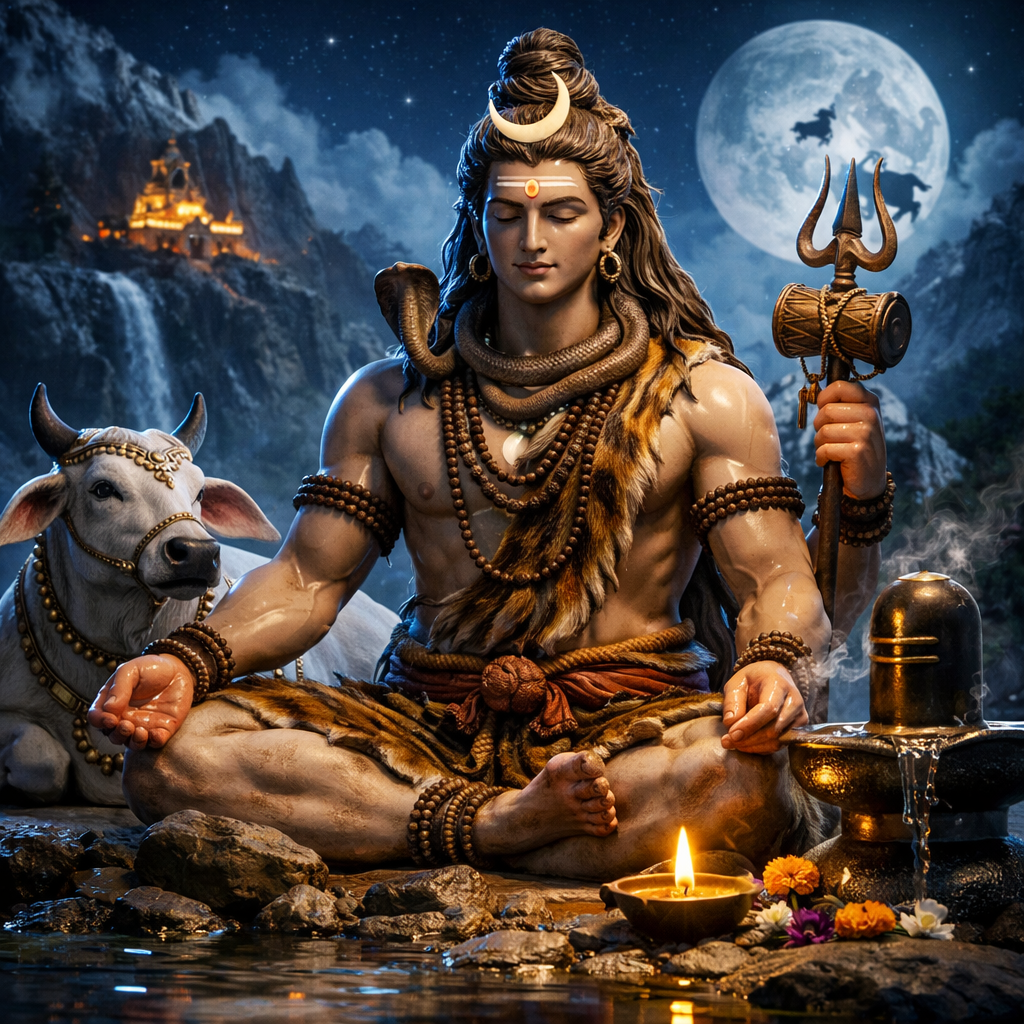
Mahashivratri is one of the most sacred and spiritually profound festivals in the Hindu tradition. Dedicated to Lord Shiva — the Supreme Destroyer of ego, remover of sins, and the cosmic dancer — Mahashivratri symbolizes the eternal cycle of creation, preservation, dissolution, and rebirth. It is a night of meditation, introspection, divine remembrance, and devotion.
In 2026, devotees across India and the world will observe Mahashivratri with deep reverence through fasting, night-long worship (jagran), mantra chanting, and traditional Shiva puja. This festival is not merely ritualistic — it embodies deep spiritual meanings and offers seekers transformative experiences when observed with devotion and consciousness.
This comprehensive guide explores Mahashivratri 2026 — its meaning, significance, history, rituals (puja vidhi), festive practices, auspicious timings (muhurat), and profound spiritual insights.
1. What Is Mahashivratri?
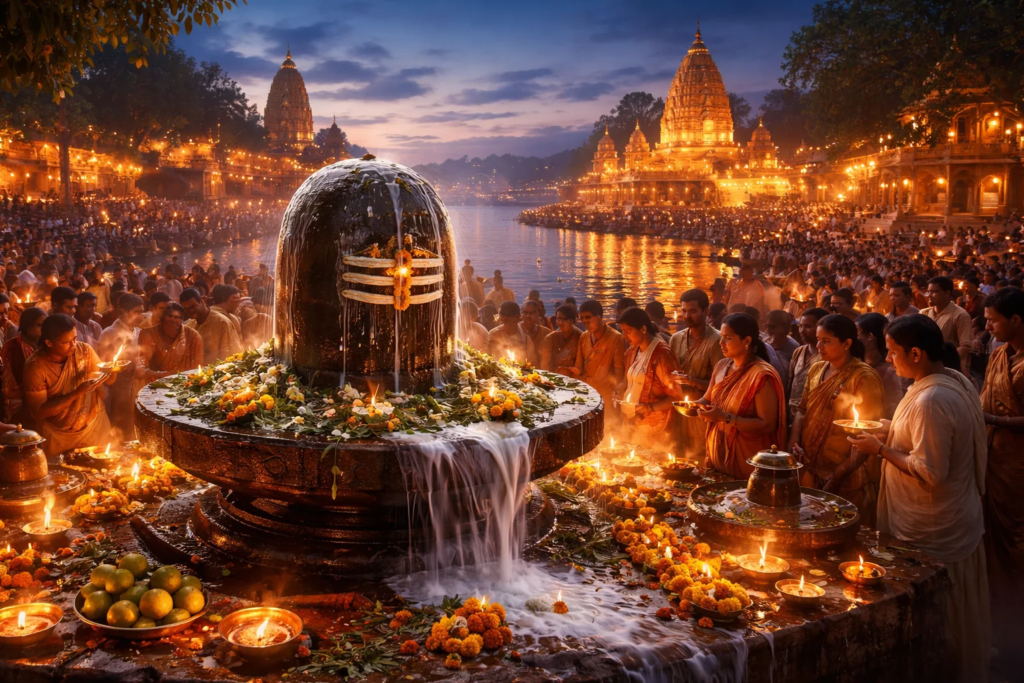
Mahashivratri (महाशिवरात्रि) literally means “The Great Night of Shiva.” It is observed on the Chaturdashi (14th lunar day) of Krishna Paksha (the waning moon) in the month of Phalguna according to the Hindu calendar. This places Mahashivratri typically in February or March each year.
Unlike other festivals celebrated in daylight or throughout the day, Mahashivratri is observed throughout the night, symbolizing deep inner reflection, spiritual awakening, and the transcendence of mind’s darkness into divine light.
The festival honors Lord Shiva’s cosmic roles:
• Destroyer of ego and illusion (Maya)
• Remover of sins and obstacles
• Embodiment of supreme consciousness
• Lord of meditation and inner silence
• Harbinger of eternal peace and liberation
2. Mahashivratri 2026 — Date & Auspicious Timings
For 2026, the key details are:
🗓️ Mahashivratri Date: Tuesday, March 17, 2026
🌒 Chaturdashi Tithi Begins: Evening of March 16, 2026
🌒 Chaturdashi Tithi Ends: Night of March 17, 2026
📿 Shubh Muhurat for Shiva Puja:
✔ Evening / Night Hours — cherished for Shiva worship
✔ Exact muhurat times vary by location
Since Mahashivratri is observed through the night, devotees begin Shiva puja after sunset and continue until the early hours of the next morning.
For location-based precise muhurat timing (especially for your city or birth chart), it’s recommended to consult a qualified astrologer or use a detailed Panchang.
3. Why Is Mahashivratri Celebrated? Legends & Meaning
Mahashivratri has deep mythological roots and spiritual symbolism that enrich the festival’s meaning.
Legend 1: The Marriage of Shiva and Parvati
One of the most beloved beliefs is that Mahashivratri marks the divine union of Lord Shiva and Goddess Parvati. In this tradition, their cosmic marriage represents:
• Balance of masculine and feminine energies
• Union of consciousness (Shiva) and energy (Shakti)
• Harmony of the inner and outer worlds
The convergence of these opposites symbolizes harmony, wholeness, and the source of creation itself.
Legend 2: Shiva Drinks the Poison from Samudra Manthan
During the mythological event of Samudra Manthan (churning of the ocean), a deadly poison (Halahala) emerged that threatened all life. To save existence, Lord Shiva drank the poison. His throat turned blue — earning him the name Neelkanth (the blue-throated one).
Mahashivratri is celebrated as an homage to Shiva’s selfless act — a reminder that:
• True strength lies in self-sacrifice
• Courage is essential for spiritual growth
• Divine grace protects the universe
Symbolic Meaning of Mahashivratri
Mahashivratri is not just a festival — it is a spiritual observance representing:
✔ Victory over ego and ignorance
✔ Triumph of consciousness over illusion
✔ Deep inner silence and meditation
✔ Alignment with the cosmic truth
Fasting, night-long vigil, and chanting on this day reflect a seeker’s intention to conquer primal impulses and uplift the soul.
4. How Mahashivratri Is Celebrated in 2026
Mahashivratri celebrations combine devotion, ritual discipline, and spiritual focus.
A. Fasting (Upavasa)
A central feature of Mahashivratri is fasting. Devotees observe either:
• Full fast (no food, only water)
• Partial fast (fruit, milk, or light offerings)
The fast is observed from sunrise on the day of Mahashivratri until the next morning, symbolizing purity, self-control, and spiritual discipline.
B. Night-Long Worship (Jagran)
Staying awake all night in Shiva’s remembrance is a key practice. Devotees:
✔ Chant Shiva mantras (especially Om Namah Shivaya)
✔ Sing devotional bhajans
✔ Meditate in silence
✔ Visit temples for darshan
Remaining awake signifies full alertness of consciousness, a symbolic rejection of sleep (ignorance) and embrace of divine awareness.
C. Shiva Puja & Abhishekam Rituals
Puja rituals performed on this day often include:
1. Shiva Linga Abhishekam
The Shiva Linga (symbol of Shiva consciousness) is bathed sequentially with:
• Water
• Milk
• Honey
• Yogurt
• Sugarcane juice
• Ghee (clarified butter)
• Bel (Bilva) leaves
Each offering represents purification and devotion. Bel leaves, especially, are considered the most sacred offering to Shiva.
2. Chanting Sacred Mantras
Devotees chant powerful mantras such as:
Om Namah Shivaya — The most sacred Shiva mantra
Maha Mrityunjaya Mantra — For protection and liberation
Rudram Chamakam — Ancient Vedic hymn for spiritual elevation
D. Temple Visits & Community Celebrations
Mahashivratri brings temples alive with:
✔ Processions
✔ Sacred chants
✔ Lingam pujas
✔ Devotional gatherings
✔ Community feasts (after the fast)
Major temples like Kedarnath, Varanasi, Somnath, Mahakaleshwar, and Amarnath see large pilgrimages with deep spiritual resonance.
E. Meditation & Inner Reflection
While rituals focus outwardly, Mahashivratri is ultimately a night of inner silence and introspection — a time to:
• Reduce distraction
• Focus on breath and mantra
• Let go of past burdens
• Experience inner stillness
This inward shift transforms Mahashivratri into not just a festival, but a life-changing observance.
5. Puja Vidhi — How to Perform Mahashivratri Worship
Here’s a step-by-step guide to observing Mahashivratri puja at home:
Step 1: Cleanse the Space
• Wash hands and feet
• Light incense and lamps
• Place a clean cloth for Shiva puja
Step 2: Prepare Shiva Linga
• Place a Shiva Linga (stone or metal idol)
• Decorate with flowers
Step 3: Begin with Ganesh Puja
Invoke Lord Ganesha first — the remover of obstacles — and seek his blessings for successful puja.
Step 4: Chanting & Offerings
• Start chanting Om Namah Shivaya
• Offer clean water first
• Then perform Abhishekam with milk, honey, curd, sugarcane juice, and ghee
• Place fresh Bel leaves
• Offer flowers and fruits
Step 5: Evening Aarti and Night Puja
Perform aarti in the evening. Continue chanting through the night with devotion and focus.
Step 6: Breaking the Fast
The fast may be broken the next morning after Shiva puja is complete.
6. Mahashivratri & Astrology — Why This Night Is Special
Astrologically, Mahashivratri falls on the Chaturdashi Tithi of Krishna Paksha during the month of Phalguna — a time when lunar energies are in transition. This alignment is believed to:
✔ Amplify inner intuition
✔ Deepen meditation
✔ Accelerate spiritual growth
✔ Reduce karmic blockages
The night symbolizes the confluence of cosmic energies — a moment when spiritual aspiration is highly receptive.
Many astrologers advise:
• Chant mantras after sunset through midnight
• Focus on inner silence between 10pm–2am
These hours are considered especially powerful for prayer and meditation.
7. Spiritual Benefits of Observing Mahashivratri
Mahashivratri is far more than ritual — when observed with devotion and sincerity, it is believed to bring:
💜 Inner Peace & Balance
🔱 Release from Ego & Attachments
🌙 Heightened Spiritual Awareness
🔥 Cleansing of Past Sins (Karma)
🧘 Strengthened Meditation & Focus
🌟 Guidance from Lord Shiva’s Conscious Presence
Lord Shiva is often described as the ultimate yogi — calm, still, and untouched by worldly disturbance. On Mahashivratri, devotees seek to align their own consciousness with this peaceful state.
8. Frequently Asked Questions (FAQ)
Q: Is fasting mandatory on Mahashivratri?
A: Fasting is highly recommended, though the type of fast (full or partial) can vary according to personal capacity and health.
Q: When should the puja be started?
A: The puja is traditionally started after sunset and continued through the night.
Q: Why stay awake all night?
A: Staying awake symbolizes vigilance over the mind and surrender to Shiva’s consciousness.
Q: What should be offered to Lord Shiva?
A: Bel leaves, milk, water, honey, yogurt, flowers, fruits, and incense.
9. Conclusion
Mahashivratri 2026 is a night of deep significance, spiritual awakening, and divine remembrance. Whether you observe it through fasting, puja, mantra chanting, meditation, or temple visits, the festival invites you to let go of ego and align with the silent, eternal presence of Lord Shiva.
On this sacred night, may you find peace in stillness, clarity in silence, and strength through surrender.