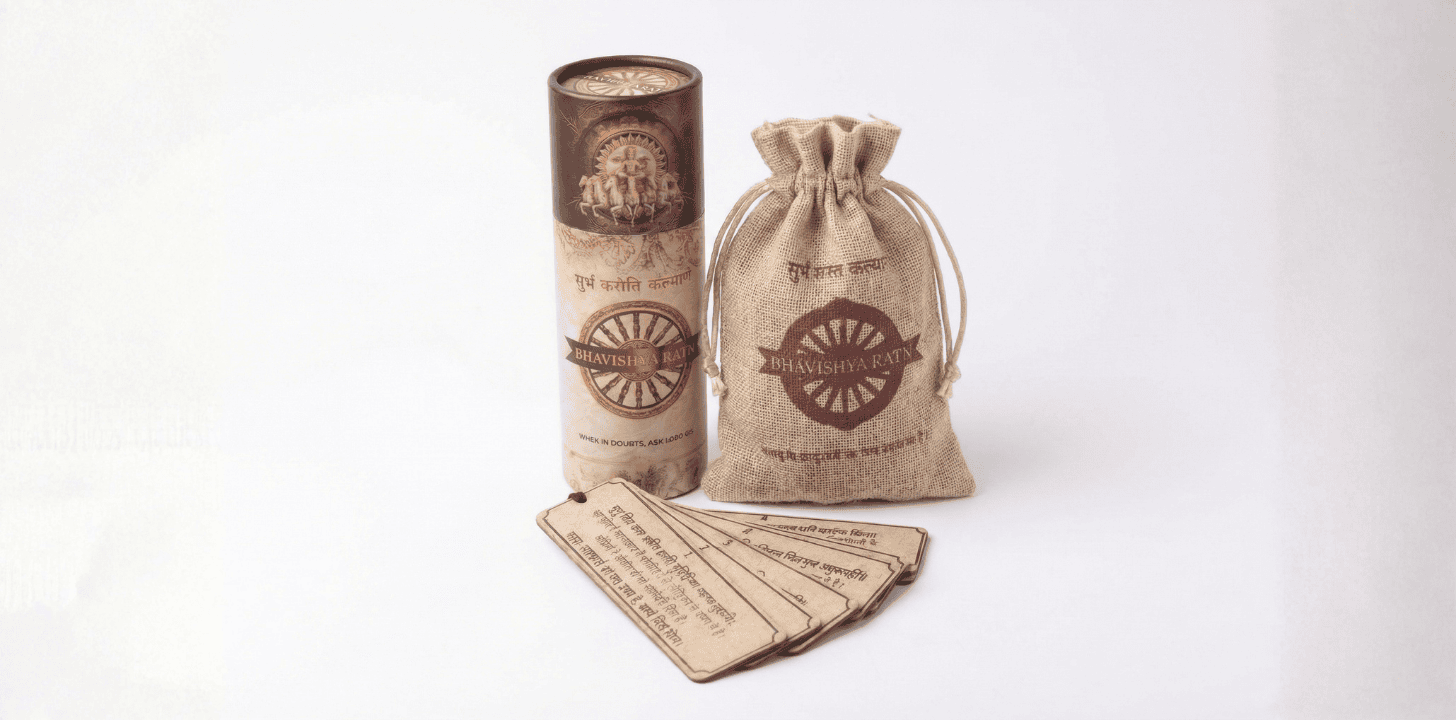
If you are confused about an important decision in life or looking for divine guidance, Shri Ram Shalaka Prashnavali is one of the most powerful and trusted methods in Vedic astrology. This ancient system is based on the sacred Ramcharitmanas and helps you receive clear answers with the blessings of Lord Shri Ram.
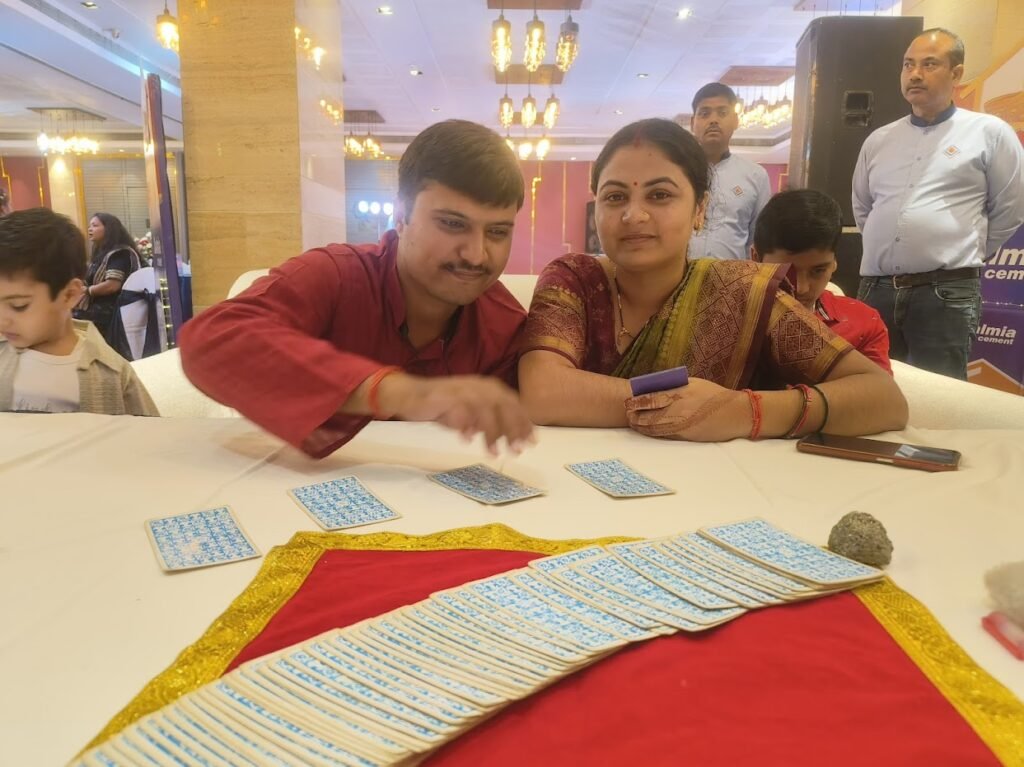
Shri Ram Shalaka Prashnavali is a spiritual prediction method where you ask a question and receive an answer through a grid of letters. These letters form a chaupai (verse) from Ramcharitmanas, which carries a hidden message about your question.
It is not a random process. It is believed to be guided by divine energy and your inner intention.
First, you calm your mind and focus on your question. Then you pray to Lord Shri Ram with full faith. After that, you select any one box from the grid. The selected letters form a verse from Ramcharitmanas, and that verse gives you the answer or direction.
Each answer is symbolic and needs proper understanding for accurate interpretation. For accurate prediction with kundli, visit: https://astrologermanisha.in/
Types of Questions You Can Ask
You can ask questions related to almost every area of life, such as career decisions, job change, business growth, love and relationships, marriage, financial problems, legal issues, and health concerns.
It is important to ask one clear question at a time for better accuracy.
What is Bhavishya Rath?
Bhavishya Rath represents the direction of your future. It indicates where your current actions and karma are leading you. When used along with Ram Shalaka Prashnavali, it gives deeper insight into your life path and helps you understand long-term outcomes.
This method provides instant clarity without requiring birth details. It connects you with divine guidance and helps reduce confusion and stress. It is simple to use but highly effective when done with faith and focus.
Yes, it can be very accurate if used correctly. The accuracy depends on your intention, faith, and mental clarity. It is not just a prediction tool but a spiritual guidance system.
Do not ask multiple questions at once. Avoid testing the system again and again. Do not repeat the same question frequently. Always stay calm and focused while using it.
Why Choose Astrologer Manisha?
While the system gives answers, correct interpretation is very important. At Astrologer Manisha, you get proper guidance, detailed explanation, and practical remedies based on your situation and kundli.
Life often brings confusion, but the right guidance can help you move forward with confidence. Shri Ram Shalaka Prashnavali is a powerful way to receive answers and direction with divine blessings.
If you are unsure about your future, this ancient method can help you take the right decision.
Do you often feel anxious, stressed, or emotionally unstable without any specific reason? Modern lifestyle challenges are not the only cause of anxiety. In Vedic astrology, mental peace is governed by the Moon (Chandra). When Moon is weak or afflicted by Rahu or Saturn, it can lead to overthinking, panic attacks, emotional imbalance, and disturbed sleep patterns.
Astrological Reasons for Anxiety & Stress
Weak Moon in Kundli
Rahu influencing the 1st house
Ketu placed in the 4th house
Chandra-Rahu Grahan Dosha
Moon-Saturn conjunction
Ongoing Chandra Mahadasha challenges
These may result in:
Panic attacks
Fear and insecurity
Negative thoughts
Insomnia
Emotional instability
Mood swings
Spiritual Healing Remedies in Astrology
✔ Wear natural Pearl (Moti) after analysis ✔ Chant “Om Chandraya Namah” daily ✔ Drink water in a silver glass ✔ Practice Moon meditation on Mondays ✔ Perform Chandra Graha Shanti Puja ✔ Follow Rudraksha therapy for emotional stability
Spiritual healing helps balance emotional energy and brings peace of mind naturally without side effects.
Are you suffering from recurring health problems without any clear medical diagnosis? In many cases, chronic diseases and mental stress have astrological connections visible in the birth chart. The 6th house in Kundli represents diseases, while Moon, Saturn, Mars, and Rahu significantly influence physical and mental health.
Astrological Causes of Health Problems
Weak Moon causing anxiety, stress & insomnia
Mars affliction leading to blood disorders
Rahu causing chronic illness
Saturn affecting bones, joints & nerves
6th House under malefic planetary influence
8th House dosha leading to surgeries
These placements can manifest as:
Digestive issues
Blood pressure
Anxiety disorders
Thyroid problems
Skin diseases
Joint pain
Sleep disorders
Vedic Remedies for Health Improvement
✔ Chant Mahamrityunjaya Mantra daily ✔ Perform Rudrabhishek for healing ✔ Wear Yellow Sapphire (Pukhraj) for Jupiter strength ✔ Donate medicines on Thursdays ✔ Offer water to Lord Shiva regularly ✔ Follow planetary fasting based on afflicted planet
Balancing these planetary energies can significantly improve immunity and overall well-being.
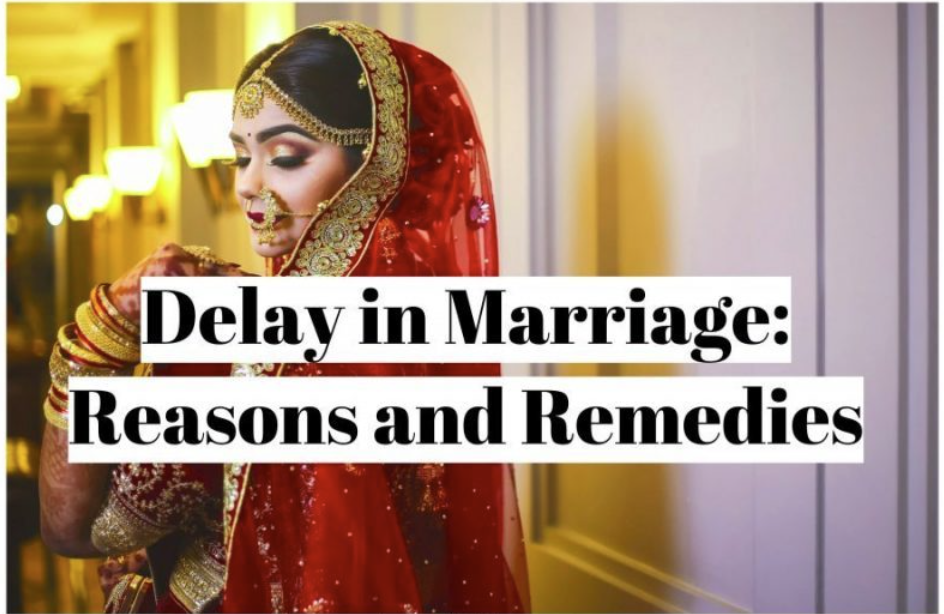
Facing continuous delay in marriage? Getting proposals but nothing is getting finalized? Marriage delay is one of the most common problems seen in Kundli analysis today. In Vedic astrology, delayed marriage often happens due to planetary doshas affecting the 7th house, Venus (Shukra), or Jupiter (Guru).
Understanding the exact reason for marriage delay in your horoscope can help activate your marriage yoga at the right time.
Common Astrological Reasons for Late Marriage
Manglik Dosha (Mangal Dosha) in Kundli
Saturn placed in the 7th house
Rahu-Ketu axis in 1st and 7th house
Weak Venus causing relationship instability
Retrograde Jupiter delaying commitment
7th House Lord in 6th, 8th, or 12th house
Venus-Saturn conjunction
These issues may cause:
Broken engagements
Delay in finding a suitable partner
Family opposition
Commitment issues
Love marriage failure
Emotional detachment
Astrology Remedies for Early Marriage
✔ Chant Katyayani Mantra regularly ✔ Observe Friday fast for Venus ✔ Wear Diamond or Opal after birth chart verification ✔ Donate white sweets on Fridays ✔ Perform Navgraha Shanti Puja ✔ Strengthen Jupiter for females with Pukhraj
These remedies help in activating marriage yogas and attracting a compatible life partner.
Are you facing continuous job rejections, delayed promotions, workplace politics, or business losses despite putting in your best efforts? Many professionals today experience career stagnation without understanding the hidden astrological causes behind it. According to Vedic astrology, your Kundli (birth chart) plays a crucial role in determining career growth, financial success, and professional recognition.
If your career is stuck or business growth is slow, planetary imbalances like weak Saturn (Shani), afflicted Sun, Rahu dosha, or a problematic 10th house may be creating obstacles in your professional life.
Astrological Reasons for Career Problems
Weak or debilitated Saturn in the 10th House
Rahu negatively placed in the 6th, 8th, or 10th house
Ongoing Shani Sade Sati or Dhaiya
Sun placed in the 12th house causing lack of authority
10th House Lord in 8th or 6th house
Mercury affliction affecting communication in job/business
These planetary positions can result in:
Job instability
Lack of recognition
Salary issues
Frequent job changes
Business losses
Office conflicts
Effective Astrology Remedies for Career Growth
✔ Chant “Om Sham Shanicharaya Namah” daily ✔ Wear Neelam (Blue Sapphire) or Panna (Emerald) after proper Kundli analysis ✔ Offer mustard oil to Shani Dev on Saturdays ✔ Donate black sesame seeds or iron items ✔ Perform Shani Shanti Puja ✔ Strengthen Sun by offering water every morning
With the right Vedic remedies, planetary energies can be balanced to attract better job opportunities, promotions, and financial stability.
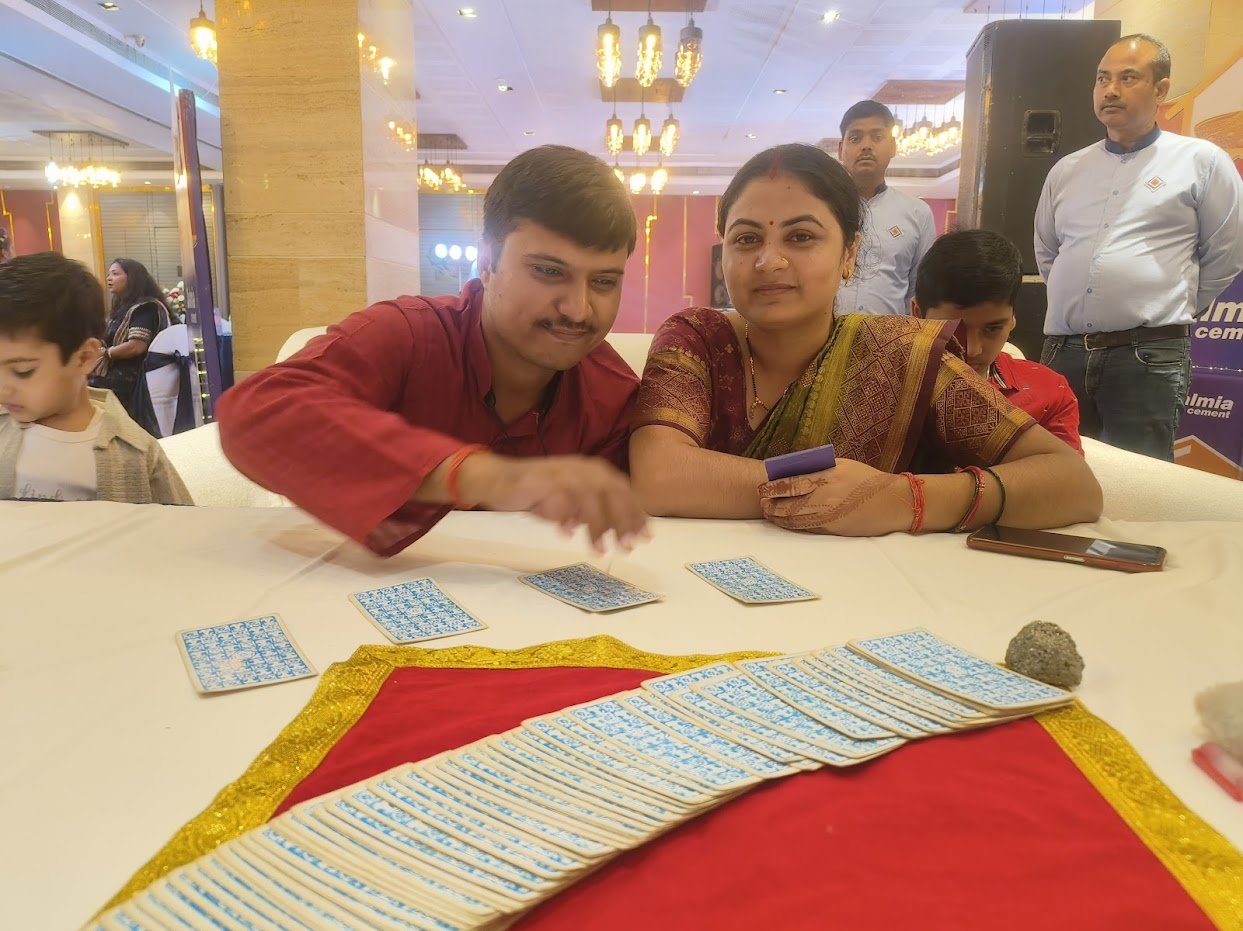
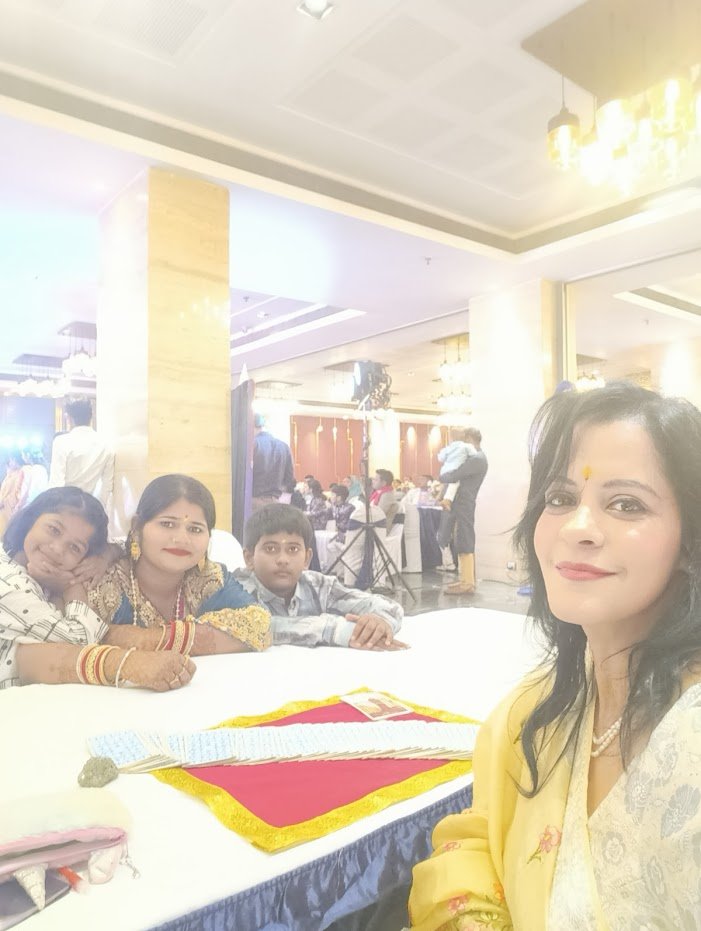
Are you planning a wedding, birthday celebration, corporate function, or private gathering in Prayagraj and looking for a unique activity to engage your guests? Hiring a professional tarot card reader can add a mystical and interactive experience to your event.
Tarot card reading is not only a spiritual guidance tool but also a trending entertainment activity that offers personalized insights into love life, career growth, business success, finances, and future opportunities.
If you want to hire a professional Tarot Card Reader in Prayagraj for your upcoming event, connect with:
Why Hire a Tarot Card Reader for Events in Prayagraj?
Tarot card reading sessions create curiosity and excitement among guests by offering intuitive predictions and life guidance through symbolic tarot cards. Whether it is a personal celebration or a corporate event, tarot readers offer one-on-one sessions that make your gathering more memorable.
Tarot readers can be hired for:
Wedding functions
Sangeet ceremonies
Birthday parties
Corporate events
Exhibitions
Product launches
Festivals
Private house parties
Each reading session provides guests with insights into their personal and professional life, making it both entertaining and meaningful.
Tarot Card Reading for Weddings & Social Gatherings
In modern Indian weddings and social events, tarot reading is becoming one of the most popular engagement activities for guests.
By hiring an expert tarot card reader in Prayagraj from:
You can create a dedicated tarot reading corner where guests can receive guidance related to:
Marriage & Relationships
Career Decisions
Financial Growth
Business Opportunities
Health & Wellbeing
Love Life
These short yet insightful readings help guests feel connected and entertained during the event.
Corporate Event Tarot Reading in Prayagraj
Tarot card reading is now widely used as a wellness and engagement activity in corporate meetups and conferences.
It helps:
✔ Break the ice between employees ✔ Create a positive environment ✔ Boost team interaction ✔ Offer motivational insights ✔ Provide stress-relief sessions
Professional tarot readers provide quick and intuitive guidance, which makes it suitable for corporate parties, brand launches, or networking events.
Benefits of Hiring a Professional Tarot Reader
Personalized one-on-one reading
Engaging experience for guests
Insight into future opportunities
Helps in life decision-making
Adds uniqueness to your event
Creates lasting memories
Tarot readings are based on symbolic interpretation of cards that reflect the past, present, and possible future outcomes.
Book Tarot Card Reader in Prayagraj Today
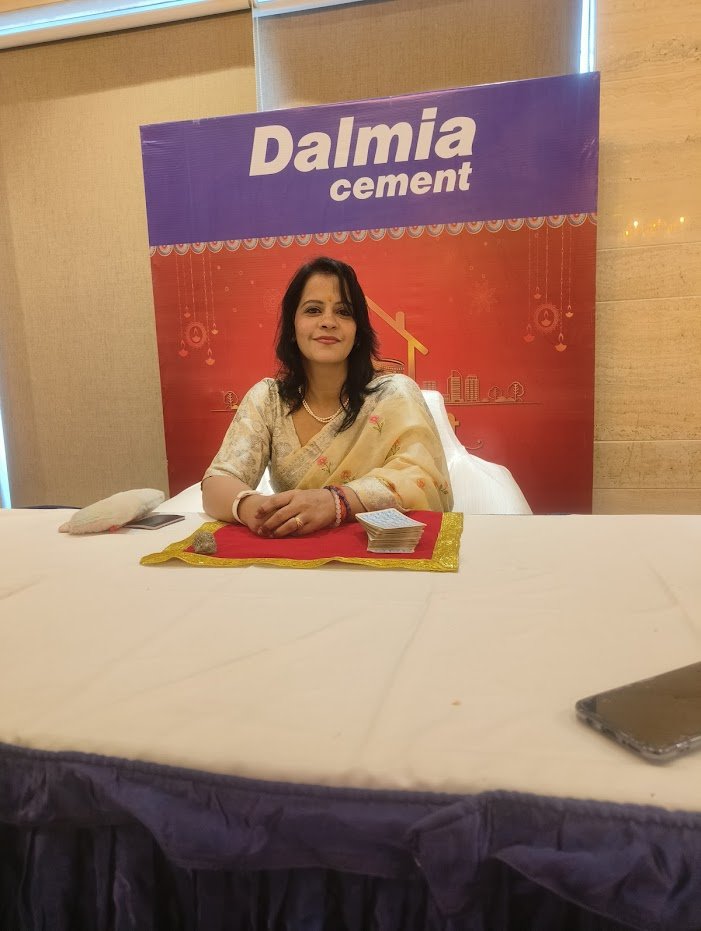
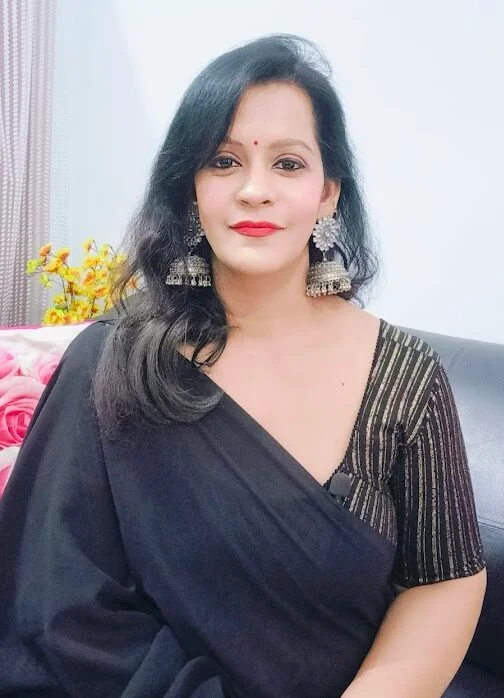
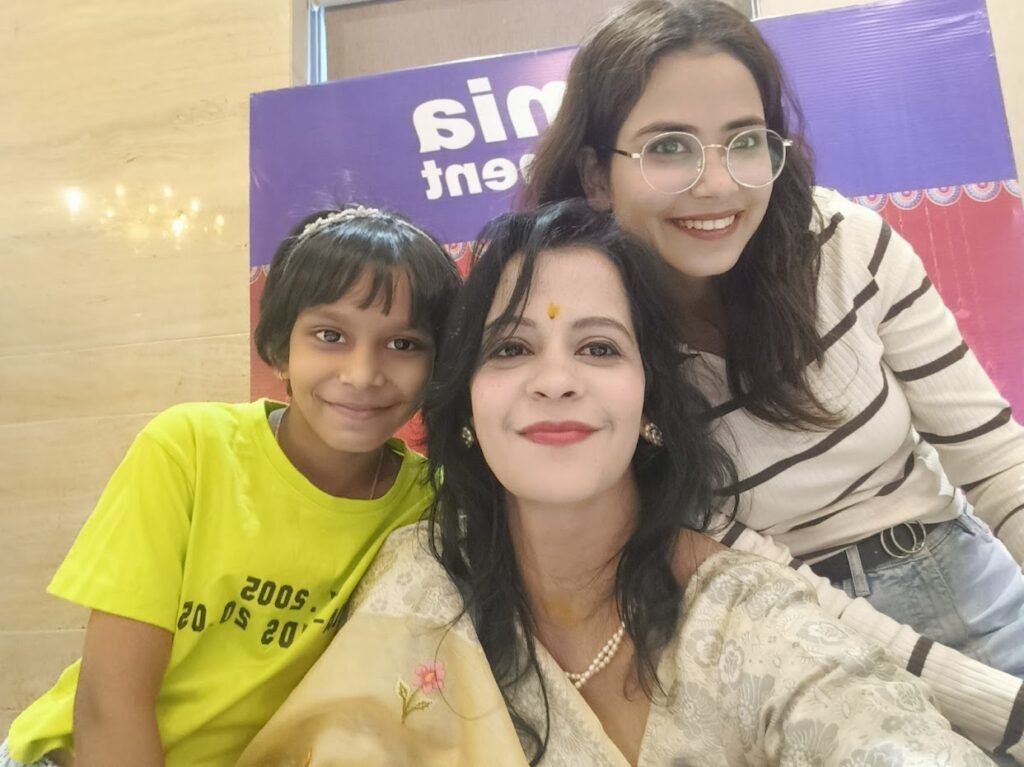
If you are looking to hire an experienced tarot card reader for parties, weddings, or corporate events in Prayagraj, consult Astrologer Manisha Bharati for professional and insightful sessions.
Tarot Card Reading is one of the most trusted spiritual practices used to gain insights into life’s past, present, and future situations. Today in Prayagraj, tarot reading is becoming increasingly popular not only for personal consultation but also as an engaging activity at weddings, birthday parties, and corporate events.
If you are planning an event or looking for clarity in your personal or professional life, hiring a professional tarot card reader in Prayagraj can provide deep intuitive guidance and a unique experience.
Tarot Card Reading is a divination method that uses a deck of 78 tarot cards to interpret insights related to love life, career growth, finances, marriage, health, and future opportunities. The tarot deck consists of:
Major Arcana Cards – Represent life lessons and spiritual events
Minor Arcana Cards – Represent daily life challenges and situations
Professional tarot readers interpret the symbolism of these cards to offer clarity and direction in decision-making processes.
Growing Demand for Tarot Card Readers in Prayagraj
In recent years, tarot reading has evolved from a private consultation service into an interactive entertainment and wellness activity for social gatherings.
People in Prayagraj now hire tarot card readers for:
Wedding ceremonies
Sangeet functions
Birthday celebrations
Corporate meetups
Cultural festivals
Private house parties
Tarot reading sessions provide both entertainment and personalized life guidance, making them an ideal addition to modern events.
Why Hire a Tarot Card Reader for Your Event?
✔ Interactive Guest Engagement
Tarot readings offer a one-on-one personalized experience for guests, making your event memorable and meaningful.
✔ Icebreaker for Social Events
In corporate events or private parties, tarot reading sessions encourage interaction and create a relaxed atmosphere among attendees.
✔ Personalized Future Insights
Each guest receives customized guidance related to:
Career decisions
Relationship matters
Financial planning
Marriage prospects
Business growth
Tarot readers analyze card patterns to provide insights into emotional and practical aspects of life.
Tarot Card Reading Services Available in Prayagraj
Many tarot professionals also offer online consultation sessions, allowing you to receive guidance from home.
Hire Tarot Readers for Different Events in Prayagraj
Weddings & Sangeet
Create a dedicated tarot reading corner for guests to enjoy personalized sessions during the celebration.
Birthday Parties
Provide guests with insights into upcoming opportunities and life decisions.
Corporate Events
Tarot reading acts as a unique team engagement or wellness activity during conferences or business gatherings.
Professional tarot readers are often hired for family days, corporate parties, and private celebrations to provide insightful guidance and entertainment simultaneously.
How to Choose the Right Tarot Reader in Prayagraj?
Before booking a tarot card reader, consider:
Experience in astrology & tarot interpretation
Client testimonials & reviews
Specialization (Love, Career, Finance)
Availability on your event date
Consultation pricing
Always choose a reader who can align with the theme and purpose of your event.
Book Professional Tarot Card Reading in Prayagraj
Whether you are looking for personal life guidance or planning an event in Prayagraj, hiring an expert tarot reader can add clarity, positivity, and a mystical experience to your journey.
Whether you are planning a wedding, corporate gathering, private party, or simply seeking clarity about your future, hiring a professional fortune teller in Prayagraj has become one of the most popular ways to bring insight, positivity, and mystical engagement into your life.
Fortune tellers are not just limited to predicting future events — they provide guidance related to career, finances, love life, marriage, health, and business decisions through ancient sciences like astrology, palmistry, tarot cards, and numerology.
👉 To consult a professional astrologer in Prayagraj today, visit: https://astrologermanisha.in/ 📞 Call or WhatsApp: 9009231652
Why Hire a Fortune Teller in Prayagraj?
Professional fortune tellers offer engaging and insightful readings that help individuals make informed life decisions related to personal growth, relationships, financial planning, and career development.
According to global event entertainment providers, fortune tellers are widely booked for:
Private parties
Festivals
Corporate events
Weddings
Exhibitions
Product launches
Social gatherings
They create an atmosphere of excitement and mystery while offering motivational insights using mediums such as tarot cards and palm reading.
This makes fortune tellers a perfect addition not only for entertainment but also for spiritual consultation and life guidance.
Types of Fortune Telling Services Available in Prayagraj
When you hire a professional astrologer or fortune teller from a trusted platform like:
You can access multiple spiritual and predictive services such as:
1. Tarot Card Reading
Tarot reading helps analyze emotional patterns, life challenges, and upcoming opportunities. It is commonly used for:
Relationship problems
Career decisions
Business planning
Financial uncertainty
2. Palmistry (Palm Reading)
Palmistry studies the lines on your hand to reveal insights into:
Marriage life
Career growth
Health conditions
Personality traits
3. Horoscope & Kundli Analysis
Birth chart reading provides deep insights into:
Planetary positions
Doshas and yogas
Marriage compatibility
Professional success
Future events
4. Numerology Consultation
Numerology helps determine:
Lucky numbers
Name correction
Business success chances
Life path guidance
Many professional clairvoyants also offer astrology-based insights and numerology readings that consider the past, present, and future before offering tailored advice.
Hire Fortune Tellers for Events in Prayagraj
Fortune tellers can also be hired for:
Wedding receptions
Birthday parties
Corporate meetups
Trade shows
Cultural festivals
Brand launches
Their interactive readings act as powerful icebreakers and create memorable experiences for guests by offering light-hearted yet insightful predictions.
They may use tools like:
Crystal balls
Tarot cards
Palmistry charts
Tea leaf reading
Aura analysis
to provide engaging one-on-one sessions during events.
Benefits of Consulting a Professional Fortune Teller
✔ Helps in decision-making ✔ Provides clarity about future challenges ✔ Identifies career & business opportunities ✔ Guides marriage and relationship issues ✔ Offers remedies for planetary doshas ✔ Enhances mental peace and confidence
With centuries-old techniques such as astrology and palmistry, fortune tellers aim to inspire positive changes and help individuals move forward with confidence in personal and professional life.
Book Trusted Fortune Teller in Prayagraj Today
If you are looking to hire an experienced astrologer or fortune teller for personal consultation or event-based predictions in Prayagraj, connect with verified experts now:
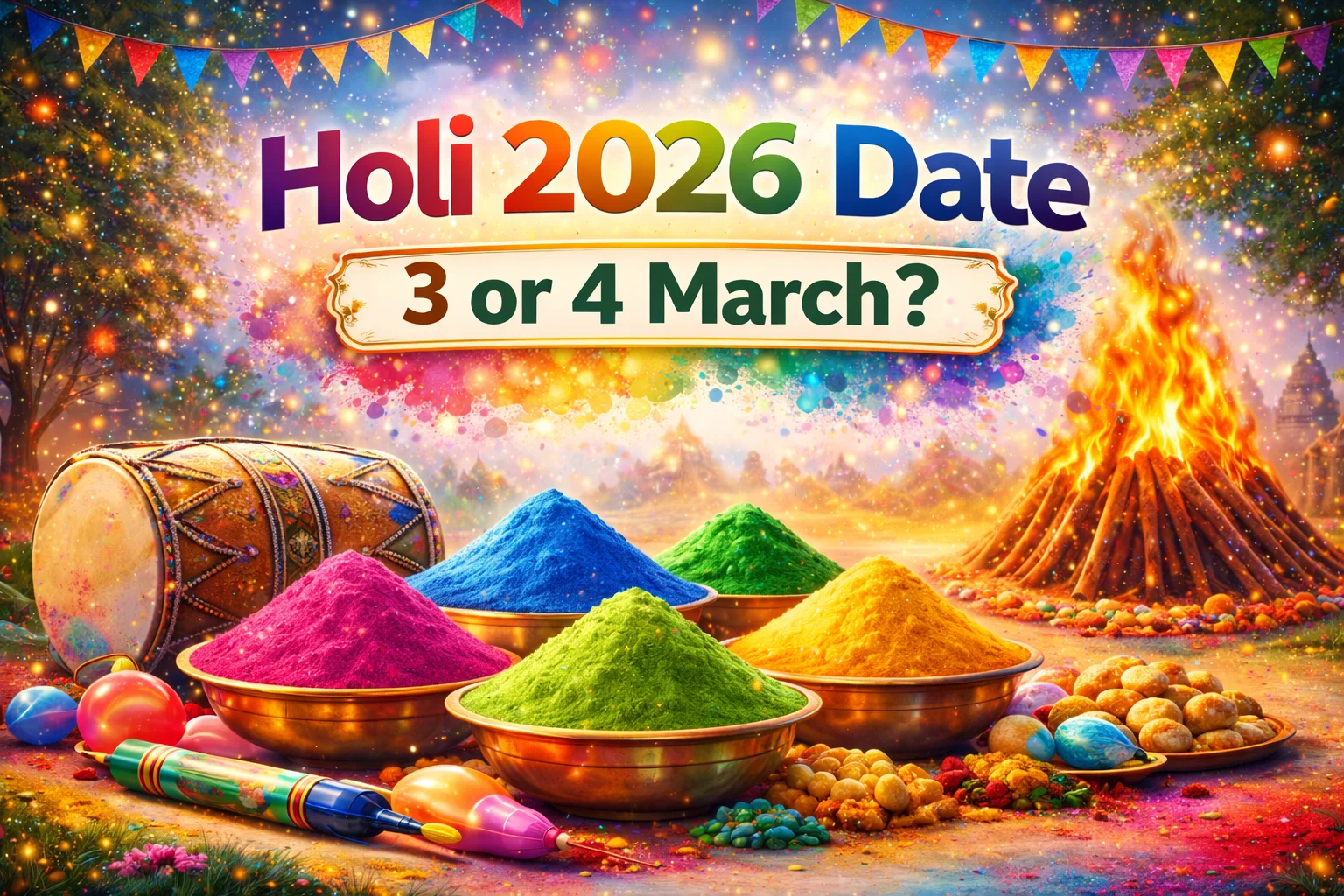
Holi is not just a festival of colors — it is a deeply significant Hindu festival that is governed by precise Panchang calculations and astronomical timings. Every year, confusion arises regarding the correct date of Holika Dahan and Rangwali Holi because these rituals depend on the alignment of Tithi, Nakshatra, and most importantly, Bhadra Kaal.
In 2026, many devotees are asking an important question:
Will Holika Dahan be celebrated on 3rd March or 4th March 2026?
If you are planning your Holika Dahan Puja Muhurat or simply want to observe the festival according to Vedic astrology and Shastra-approved timing, this detailed guide will clarify the exact Holi 2026 date with astrological reasoning.
Holi 2026: Important Dates
Holika Dahan: 3rd March 2026 (Tuesday)
Rangwali Holi (Dhulandi): 4th March 2026 (Wednesday)
But why is Holika Dahan not on 4th March when Purnima Tithi extends into that day? The answer lies in the concept of Bhadra.
Understanding the Role of Purnima Tithi in Holika Dahan
Holika Dahan is always performed on the night of Phalguna Purnima. However, performing the ritual simply because Purnima exists is not sufficient. According to Dharmashastra and Muhurat Chintamani, Holika Dahan must meet the following conditions:
Purnima Tithi should prevail during Pradosh Kaal (after sunset).
Bhadra should not be present during the Holika Dahan Muhurat.
Nighttime is preferred for the ritual as it symbolizes the destruction of negativity.
In 2026, Purnima Tithi begins before sunset on 3rd March and continues into 4th March. But the presence and timing of Bhadra determines whether the ritual is Shubh or Ashubh.
What is Bhadra and Why Should Holika Dahan Avoid It?
Bhadra is a period associated with the Vishti Karana, which is considered inauspicious for performing sacred rituals, especially those involving Agni (fire). Since Holika Dahan is a fire ritual, performing it during Bhadra Kaal is strictly prohibited in traditional Vedic practices.
Shastra clearly states:
शुभ कार्याणि भद्रायां न कुर्वीत कदाचन
Meaning, auspicious works should never be performed during Bhadra.
If Holika Dahan is performed during Bhadra, it is believed to bring obstacles, disputes, and negative outcomes for the household or community conducting the ritual.
Holika Dahan Muhurat 2026 (As Per Panchang)
On 3rd March 2026, Purnima Tithi will be present during Pradosh Kaal and Bhadra will not prevail during the suitable nighttime window for Holika Dahan.
Therefore, the most Shubh Muhurat for Holika Dahan in 2026 falls on the evening of 3rd March after sunset when:
Purnima Tithi is active
Bhadra is not influencing the Muhurat
Pradosh Kaal is present
Performing Holika Dahan on 4th March would either fall outside the ideal Pradosh Kaal or may coincide with unfavorable Karana influence, making it less appropriate according to Vedic Muhurat rules.
Why Rangwali Holi is Celebrated on 4th March 2026
The festival of colors — also known as Dhulandi or Rangwali Holi — is always celebrated on the day following Holika Dahan. Since Holika Dahan will take place on the night of 3rd March 2026, Rangwali Holi will naturally be observed on 4th March 2026.
This follows the traditional sequence:
Night: Symbolic burning of Holika (evil)
Next Morning: Celebration of victory of devotion and righteousness with colors
Spiritual Significance of Holika Dahan
Holika Dahan commemorates the victory of Prahlad’s devotion over the arrogance of Hiranyakashipu and the evil intentions of Holika. From an astrological perspective, the ritual is believed to:
Burn accumulated negative energies
Remove planetary afflictions
Reduce the impact of malefic grahas
Neutralize evil eye and doshas
Bring peace and prosperity
Many astrologers recommend specific remedies on Holika Dahan night such as:
Offering coconut in the sacred fire
Burning mustard seeds or black sesame
Parikrama of Holika for family well-being
Chanting Narasimha Mantra for protection
These remedies are especially beneficial for individuals experiencing Rahu, Ketu, or Shani-related challenges in their horoscope.
Astrological Remedies to Perform on Holika Dahan Night
To maximize the spiritual benefits of Holika Dahan 2026, you may perform the following Vedic remedies:
1. Financial Stability Remedy
Offer 7 Gomti Chakras into the Holika fire while praying for removal of financial blockages.
2. Protection from Negative Energies
Burn camphor, cloves, and guggul in the fire to eliminate negativity and vastu dosha from your surroundings.
3. Career Growth Remedy
Take 11 betel nuts (supari) and offer them into the fire while chanting your Ishta Devata mantra.
4. Family Harmony Remedy
Perform 7 circumambulations (Parikrama) of Holika with family members for peace and unity.
Panchang-Based Festival Observance: Why It Matters
Observing Holika Dahan according to Panchang ensures that your rituals align with cosmic rhythms. In Vedic astrology, timing is not symbolic — it is functional. Performing a ritual at the wrong Muhurat may reduce or negate its intended spiritual effect.
That is why accurate festival timing based on:
Tithi n- Karana
Nakshatra
Pradosh Kaal
Bhadra presence
is essential for achieving desired outcomes from spiritual practices.
Final Verdict: Holi 2026 Date
After analyzing Panchang calculations and Muhurat principles:
Holika Dahan should be performed on 3rd March 2026 (Tuesday).
Rangwali Holi will be celebrated on 4th March 2026 (Wednesday).
Devotees are advised to avoid performing Holika Dahan during Bhadra and strictly follow the evening Muhurat on 3rd March for best results.
If you wish to know the exact Holika Dahan Muhurat for your city or want personalized astrological remedies based on your birth chart, you may consult a qualified Vedic astrologer for accurate guidance.
Celebrate Holi 2026 with the right Muhurat and invite positivity, prosperity, and spiritual protection into your life.
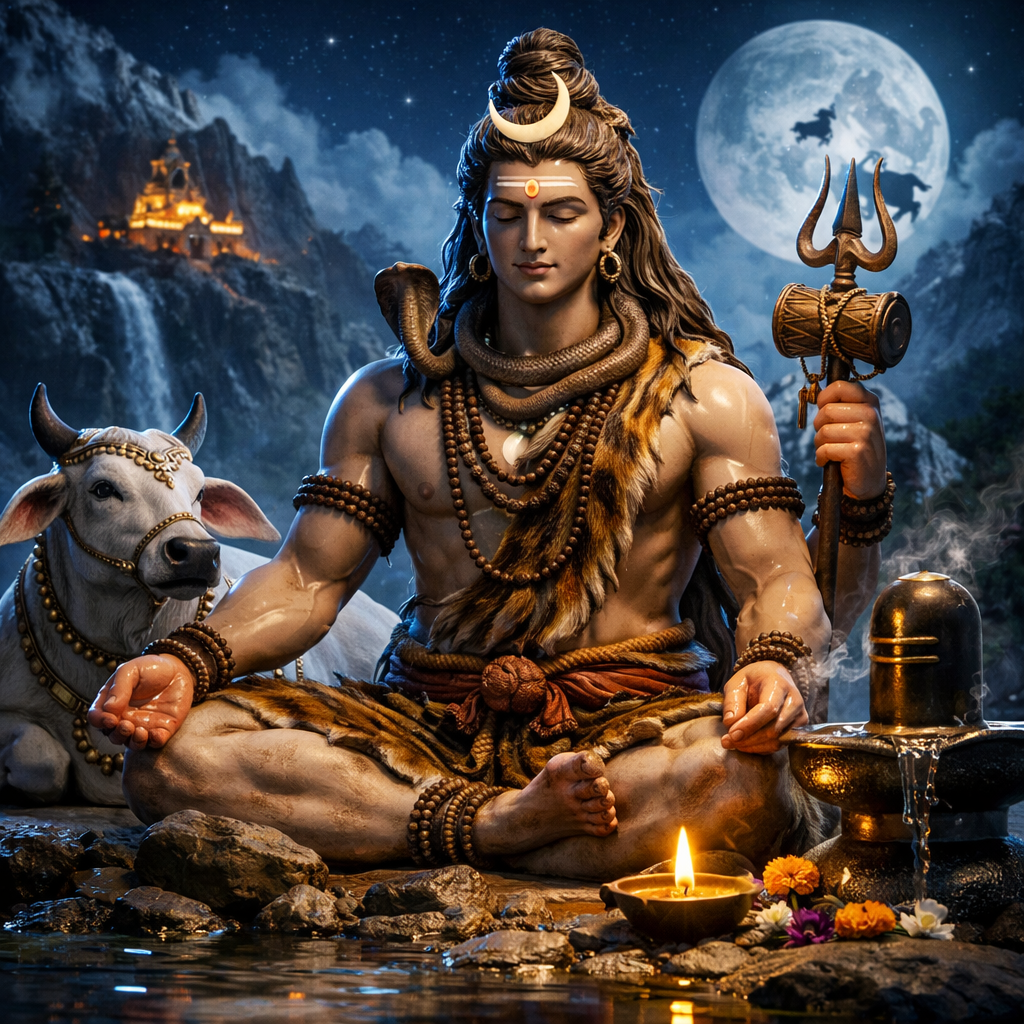
Mahashivratri is one of the most sacred and spiritually profound festivals in the Hindu tradition. Dedicated to Lord Shiva — the Supreme Destroyer of ego, remover of sins, and the cosmic dancer — Mahashivratri symbolizes the eternal cycle of creation, preservation, dissolution, and rebirth. It is a night of meditation, introspection, divine remembrance, and devotion.
In 2026, devotees across India and the world will observe Mahashivratri with deep reverence through fasting, night-long worship (jagran), mantra chanting, and traditional Shiva puja. This festival is not merely ritualistic — it embodies deep spiritual meanings and offers seekers transformative experiences when observed with devotion and consciousness.
This comprehensive guide explores Mahashivratri 2026 — its meaning, significance, history, rituals (puja vidhi), festive practices, auspicious timings (muhurat), and profound spiritual insights.
1. What Is Mahashivratri?
Mahashivratri (महाशिवरात्रि) literally means “The Great Night of Shiva.” It is observed on the Chaturdashi (14th lunar day) of Krishna Paksha (the waning moon) in the month of Phalguna according to the Hindu calendar. This places Mahashivratri typically in February or March each year.
Unlike other festivals celebrated in daylight or throughout the day, Mahashivratri is observed throughout the night, symbolizing deep inner reflection, spiritual awakening, and the transcendence of mind’s darkness into divine light.
The festival honors Lord Shiva’s cosmic roles: • Destroyer of ego and illusion (Maya) • Remover of sins and obstacles • Embodiment of supreme consciousness • Lord of meditation and inner silence • Harbinger of eternal peace and liberation
2. Mahashivratri 2026 — Date & Auspicious Timings
For 2026, the key details are:
🗓️ Mahashivratri Date:Tuesday, March 17, 2026
🌒 Chaturdashi Tithi Begins: Evening of March 16, 2026 🌒 Chaturdashi Tithi Ends: Night of March 17, 2026
📿 Shubh Muhurat for Shiva Puja: ✔ Evening / Night Hours — cherished for Shiva worship ✔ Exact muhurat times vary by location
Since Mahashivratri is observed through the night, devotees begin Shiva puja after sunset and continue until the early hours of the next morning.
For location-based precise muhurat timing (especially for your city or birth chart), it’s recommended to consult a qualified astrologer or use a detailed Panchang.
3. Why Is Mahashivratri Celebrated? Legends & Meaning
Mahashivratri has deep mythological roots and spiritual symbolism that enrich the festival’s meaning.
Legend 1: The Marriage of Shiva and Parvati
One of the most beloved beliefs is that Mahashivratri marks the divine union of Lord Shiva and Goddess Parvati. In this tradition, their cosmic marriage represents: • Balance of masculine and feminine energies • Union of consciousness (Shiva) and energy (Shakti) • Harmony of the inner and outer worlds
The convergence of these opposites symbolizes harmony, wholeness, and the source of creation itself.
Legend 2: Shiva Drinks the Poison from Samudra Manthan
During the mythological event of Samudra Manthan (churning of the ocean), a deadly poison (Halahala) emerged that threatened all life. To save existence, Lord Shiva drank the poison. His throat turned blue — earning him the name Neelkanth (the blue-throated one).
Mahashivratri is celebrated as an homage to Shiva’s selfless act — a reminder that: • True strength lies in self-sacrifice • Courage is essential for spiritual growth • Divine grace protects the universe
Symbolic Meaning of Mahashivratri
Mahashivratri is not just a festival — it is a spiritual observance representing: ✔ Victory over ego and ignorance ✔ Triumph of consciousness over illusion ✔ Deep inner silence and meditation ✔ Alignment with the cosmic truth
Fasting, night-long vigil, and chanting on this day reflect a seeker’s intention to conquer primal impulses and uplift the soul.
4. How Mahashivratri Is Celebrated in 2026
Mahashivratri celebrations combine devotion, ritual discipline, and spiritual focus.
A. Fasting (Upavasa)
A central feature of Mahashivratri is fasting. Devotees observe either: • Full fast (no food, only water) • Partial fast (fruit, milk, or light offerings)
The fast is observed from sunrise on the day of Mahashivratri until the next morning, symbolizing purity, self-control, and spiritual discipline.
B. Night-Long Worship (Jagran)
Staying awake all night in Shiva’s remembrance is a key practice. Devotees: ✔ Chant Shiva mantras (especially Om Namah Shivaya) ✔ Sing devotional bhajans ✔ Meditate in silence ✔ Visit temples for darshan
Remaining awake signifies full alertness of consciousness, a symbolic rejection of sleep (ignorance) and embrace of divine awareness.
C. Shiva Puja & Abhishekam Rituals
Puja rituals performed on this day often include:
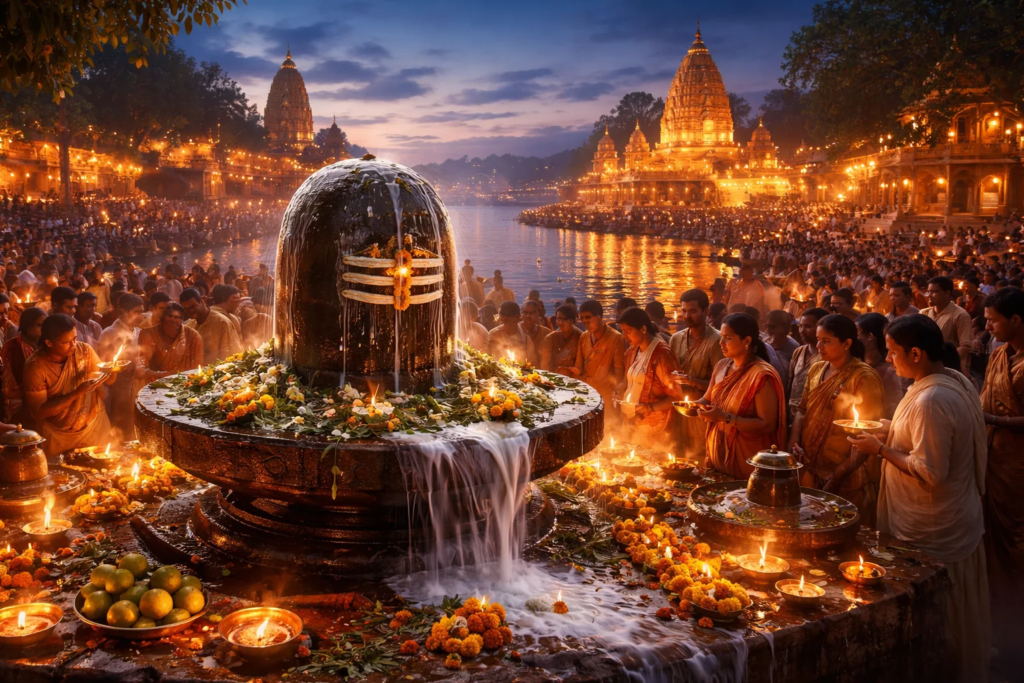
1. Shiva Linga Abhishekam
The Shiva Linga (symbol of Shiva consciousness) is bathed sequentially with: • Water • Milk • Honey • Yogurt • Sugarcane juice • Ghee (clarified butter) • Bel (Bilva) leaves
Each offering represents purification and devotion. Bel leaves, especially, are considered the most sacred offering to Shiva.
2. Chanting Sacred Mantras
Devotees chant powerful mantras such as:
Om Namah Shivaya — The most sacred Shiva mantra Maha Mrityunjaya Mantra — For protection and liberation Rudram Chamakam — Ancient Vedic hymn for spiritual elevation
Major temples like Kedarnath, Varanasi, Somnath, Mahakaleshwar, and Amarnath see large pilgrimages with deep spiritual resonance.
E. Meditation & Inner Reflection
While rituals focus outwardly, Mahashivratri is ultimately a night of inner silence and introspection — a time to: • Reduce distraction • Focus on breath and mantra • Let go of past burdens • Experience inner stillness
This inward shift transforms Mahashivratri into not just a festival, but a life-changing observance.
5. Puja Vidhi — How to Perform Mahashivratri Worship
Here’s a step-by-step guide to observing Mahashivratri puja at home:
Step 1: Cleanse the Space
• Wash hands and feet • Light incense and lamps • Place a clean cloth for Shiva puja
Step 2: Prepare Shiva Linga
• Place a Shiva Linga (stone or metal idol) • Decorate with flowers
Step 3: Begin with Ganesh Puja
Invoke Lord Ganesha first — the remover of obstacles — and seek his blessings for successful puja.
Step 4: Chanting & Offerings
• Start chanting Om Namah Shivaya • Offer clean water first • Then perform Abhishekam with milk, honey, curd, sugarcane juice, and ghee • Place fresh Bel leaves • Offer flowers and fruits
Step 5: Evening Aarti and Night Puja
Perform aarti in the evening. Continue chanting through the night with devotion and focus.
Step 6: Breaking the Fast
The fast may be broken the next morning after Shiva puja is complete.
6. Mahashivratri & Astrology — Why This Night Is Special
Astrologically, Mahashivratri falls on the Chaturdashi Tithi of Krishna Paksha during the month of Phalguna — a time when lunar energies are in transition. This alignment is believed to: ✔ Amplify inner intuition ✔ Deepen meditation ✔ Accelerate spiritual growth ✔ Reduce karmic blockages
The night symbolizes the confluence of cosmic energies — a moment when spiritual aspiration is highly receptive.
Many astrologers advise: • Chant mantras after sunset through midnight • Focus on inner silence between 10pm–2am
These hours are considered especially powerful for prayer and meditation.
7. Spiritual Benefits of Observing Mahashivratri
Mahashivratri is far more than ritual — when observed with devotion and sincerity, it is believed to bring:
💜 Inner Peace & Balance 🔱 Release from Ego & Attachments 🌙 Heightened Spiritual Awareness 🔥 Cleansing of Past Sins (Karma) 🧘 Strengthened Meditation & Focus 🌟 Guidance from Lord Shiva’s Conscious Presence
Lord Shiva is often described as the ultimate yogi — calm, still, and untouched by worldly disturbance. On Mahashivratri, devotees seek to align their own consciousness with this peaceful state.
8. Frequently Asked Questions (FAQ)
Q: Is fasting mandatory on Mahashivratri?
A: Fasting is highly recommended, though the type of fast (full or partial) can vary according to personal capacity and health.
Q: When should the puja be started?
A: The puja is traditionally started after sunset and continued through the night.
Q: Why stay awake all night?
A: Staying awake symbolizes vigilance over the mind and surrender to Shiva’s consciousness.
Mahashivratri 2026 is a night of deep significance, spiritual awakening, and divine remembrance. Whether you observe it through fasting, puja, mantra chanting, meditation, or temple visits, the festival invites you to let go of ego and align with the silent, eternal presence of Lord Shiva.
On this sacred night, may you find peace in stillness, clarity in silence, and strength through surrender.