


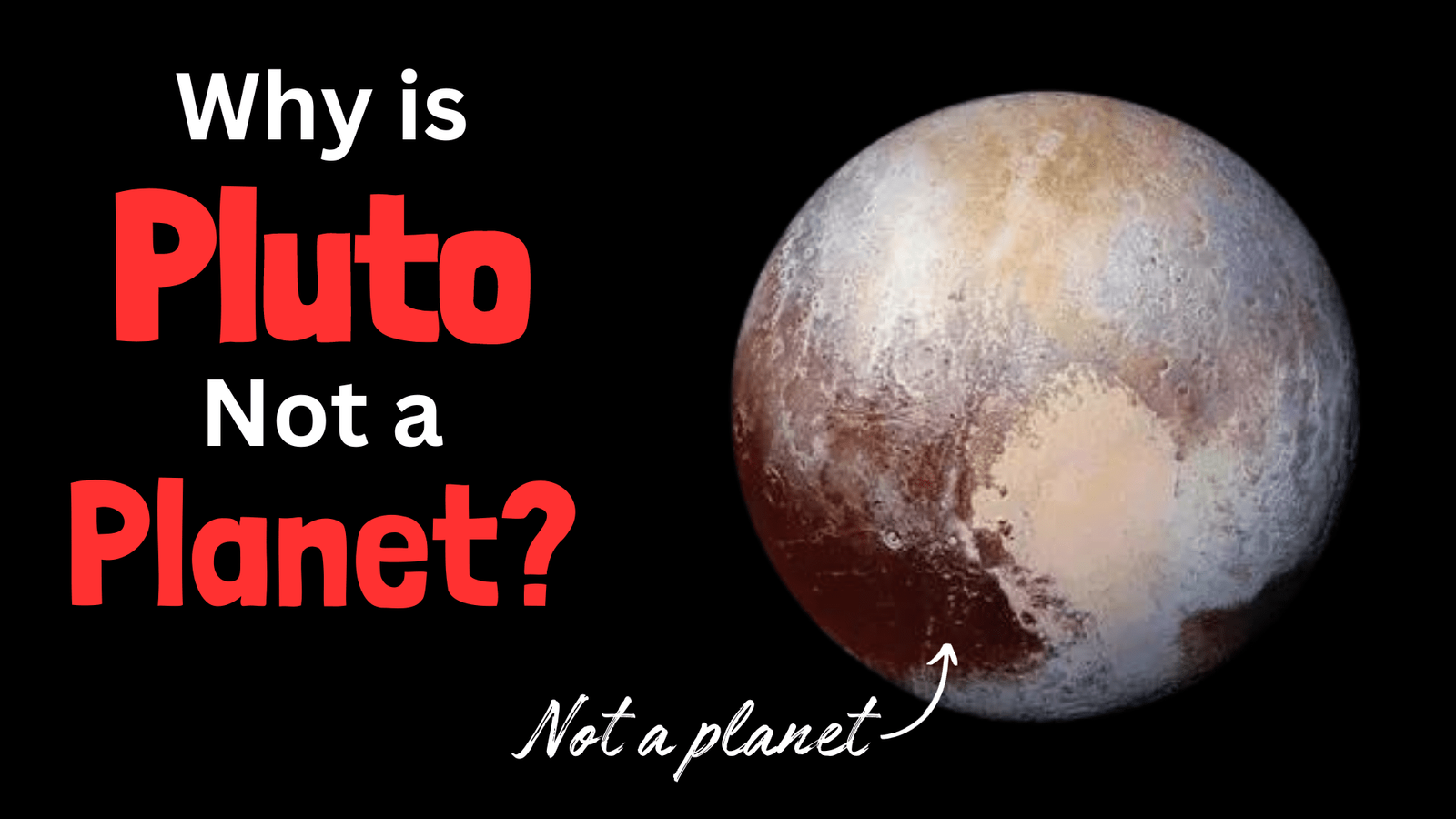
In modern astrology — especially Western astrology — Pluto is widely recognized as a powerful planet of transformation, subconscious forces, endings, rebirth, and deep psychological change. Yet in classical Vedic astrology (Jyotisha), Pluto is not traditionally included among the planets used for birth chart interpretation and predictions.
To understand why, we need to explore how Vedic astrology was formed, what celestial bodies it traditionally uses, and what deeper reasoning underlies the exclusion of Pluto.
🪐 The Core Planets in Vedic Astrology
In Vedic astrology, there are nine core “grahas” that form the foundation of predictions and life analysis:
- Sun
- Moon
- Mars
- Mercury
- Jupiter
- Venus
- Saturn
- Rahu (North Lunar Node)
- Ketu (South Lunar Node)
These planets are chosen based on visibility, influence on human cycles, and ancient astrological texts. Rahu and Ketu are included even though they are not physical planets but lunar nodes, because they carry strong karmic significance in Jyotisha.
Pluto — along with Uranus and Neptune — lies outside this classical grouping. It wasn’t known to ancient Indian seers because it was discovered only in 1930 by modern astronomy — long after Vedic astrology was established.
📜 Why Ancient Texts Didn’t Include Pluto
Vedic astrology was codified thousands of years ago in texts like the Brihat Parashara Hora Shastra and Brihat Jataka. These texts describe the nine grahas and their effects comprehensively — but Pluto is not mentioned anywhere because the ancients did not know of its existence.
This isn’t a simple omission due to ignorance. Instead, it reflects the way Vedic tradition:
- Bases planetary significations on direct observation
The ancient seers worked with planets visible to the naked eye (Sun through Saturn) plus the lunar nodes. At that time, slow-moving distant bodies like Pluto were entirely unknown. - Focuses on the planets that complete significant cycles within a human lifespan
Pluto takes about 248 years to complete a full circuit of the zodiac, and stays in a single sign for 12–30+ years.
Many traditional astrologers argue that if a planet does not transit multiple signs within normal human lifespans, its effects on individual life patterns are difficult to interpret reliably in classical Jyotisha charts.
This contrast with traditional planets like Saturn (about 29–30 years per cycle) or Jupiter (about 12 years). Their cycles align with observable life events and are easier to integrate into the dasha system (planetary timing method) that is central to Vedic predictive work.
🧠 Beyond Discovery — Philosophical & Practical Reasons
Even after Pluto was discovered by modern science, most classical Vedic astrologers continued to exclude it as a core graha for two interrelated reasons:
✔ Traditional System Integrity
Vedic astrology’s predictive framework is built around the nine grahas and the dasha system tied to their cycles. Introducing a new slow outer planet disrupts the timing structure of predictions unless a new compatible timing system is developed.
✔ Lack of Traditional Textual Basis
Classical texts define how planets are used: rulerships, aspects, yogas, and dashas — all without Pluto. Astrology rooted in ancient texts carries strong authority among Vedic practitioners, and innovations are usually grounded in clear scriptural support.
🌍 Modern Perspectives: Pluto in Neo-Vedic & Hybrid Astrology
While classical Jyotisha still rarely includes Pluto in primary charts, modern and hybrid astrology sometimes considers it as:
- An outer influence interacting with traditional planets
- A symbolic indicator of deep psychological transformation or generational themes
- A secondary influence felt when it makes contact with dasha lords or natal planets
Some contemporary astrologers equate Pluto’s energy with themes already represented by Rahu, Ketu or Saturn — power, transformation, subconscious forces, and karmic endings — rather than assigning it independent rulership in the zodiac.
Other modern interpretations examine Pluto more symbolically rather than as a functional graha, suggesting it reflects deep generational trends, societal transformation, or subconscious patterns — matters that traditional planets already represent in different frameworks.
🔭 Why Some Still Study Pluto in Vedic Context
Even among Vedic astrologers who don’t use Pluto as a core graha:
✔ It may be considered when analyzing long-term generational effects
✔ Its transits can be observed when they make tight aspects to traditional planets
✔ It may symbolically represent intense transformational themes that overlap with spiritual growth or deep psychological forces
This cautious inclusion doesn’t replace traditional Jyotisha, but offers an expanded perspective for astrologers who wish to integrate newer astronomical knowledge with classical principles.
🧩 Summary: The Classical Vedic Position
Pluto isn’t part of traditional Vedic astrology principally because:
- It was unknown in ancient times and thus not described in classical texts.
- It does not complete significant cycles within typical human lifespans, making it less practical for Vedic predictive systems.
- Vedic astrology’s core structure and dasha systems are built around the nine fundamental grahas that were observed and described by seers.
This doesn’t mean Pluto is “unimportant” — it simply reflects different foundations in Vedic tradition compared with Western or hybrid astrology.
🌟 Conclusion
Pluto’s absence from traditional Vedic charts is rooted in history, methodology, and system coherence, not a denial of its symbolic power. For students of Jyotisha, recognizing this distinction helps maintain clarity between classical practice and modern astrological extensions.
Whether you approach astrology traditionally or explore modern adaptations, understanding why Pluto isn’t included in classical Vedic analysis deepens your appreciation for the structure and precision of ancient astrological systems.