loading

Category: Blog

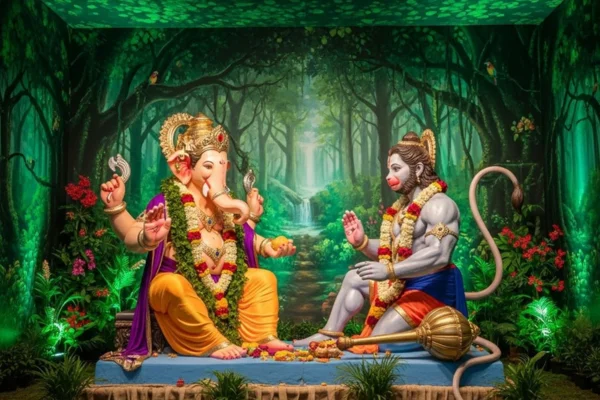
When Hanuman Met Ganesha — A Story of Strength, Wisdom & Divine Harmony

Hindu mythology is rich with stories that convey deep spiritual lessons through the lives and interactions of divine personalities. One of the most inspiring and lesser-known tales is about Lord Hanuman — the embodiment of courage, devotion, and strength — and Lord Ganesha — the remover of obstacles, the source of wisdom, and the harbinger of clarity. Their meeting symbolizes how strength and wisdom together create true success and balance in life.


🌟 Introduction: Two Divine Forces United in Purpose

Lord Hanuman is celebrated throughout Hindu tradition as the perfect devotee of Lord Rama — unwavering in loyalty, righteousness, and bravery. In contrast, Lord Ganesha, also known as Vighnaharta (remover of obstacles), represents intellect, planning, clarity of thought, and auspicious beginnings.

What happens when unparalleled strength meets supreme wisdom? This story reveals that neither power nor intellect alone is complete — and when they unite, higher dharma and harmony are perfectly fulfilled.


🕉️ Setting the Scene: Why the Meeting Occurred

After the legendary war of Lanka, where Hanuman’s valor helped Lord Rama defeat Ravana, Hanuman continued serving and chanting “Jai Shri Ram” with singular focus. His devotion and humility were unparalleled, and he became a symbol of unwavering courage and selfless service.

Meanwhile, from Mount Kailash, Lord Ganesha observed this devotion and reflected on a cosmic truth:

“Strength can inspire awe, but only wisdom can guide it.”

With this divine insight, Ganesha resolved to meet Hanuman — not to challenge him, but to show the world that true dharma arises when strength and wisdom walk together.


🏔️ The First Encounter

Hanuman arrived at Mount Kailash with tremendous zeal, leaping across mountains as though they were pebbles in his path. He bowed before Lord Ganesha with deep respect and humility, saying:

“O Vighnaharta, why have you called a humble sevak like me?”

Ganesha smiled and replied:

“Hanuman — you are strength and devotion. I am wisdom and clarity. The world must know that both complete each other.”

This gentle dialogue sets the tone for a meeting not of ego, but of mutual respect and divine harmony.


💪 A Test of Strength and Humility

To illustrate his point, Ganesha playfully asked Hanuman whether his famed strength could lift him. Using his powerful tail — the same tail that once burned Lanka — Hanuman lifted Ganesha without effort.

But instead of pride, Hanuman folded his hands and said:

“My strength is nothing without your wisdom. You are invoked first in every auspicious beginning. Without wisdom, effort does not succeed.”

This powerful moment shows that even supreme strength must bow to the guiding light of wisdom.


📜 The Lost Ramayana Story

A popular legend connected to this meeting tells that Hanuman once wrote his own version of the Ramayana on the walls of the Himalayas, full of devotion and poetic beauty.

When the sage Valmiki saw it, he felt overwhelmed — unsure whether his own rendition could compare. Respecting this, Hanuman erased his version, demonstrating that his devotion wasn’t for praise but for true service.

Seeing Hanuman’s selflessness, Ganesha blessed him:

“Your words may fade, but your devotion will live forever in the hearts of devotees.”

This part of the story reminds us that inner purity and devotion transcend fame or recognition.


🪔 Blessings for Devotees

Before parting, both Ganesha and Hanuman offered blessings that practitioners and devotees still cherish:

Ganesha’s blessing:

“Wherever my name is taken with devotion, Hanuman shall also be remembered. Together, we remove obstacles and fears.”

Hanuman’s vow:

“Before one remembers me, let them first remember Ganapati — for wisdom must always guide strength.”

These blessings emphasize that strength and wisdom are not rivals but partners in the spiritual and worldly journey.


🧠 Lessons from This Divine Encounter

This meeting is more than a mythological anecdote — it carries timeless life lessons:

🔹 Wisdom Without Strength Is Powerless

Without the courage to act, even the greatest wisdom may remain theoretical.

🔹 Strength Without Wisdom Is Dangerous

Power without insight can lead to imbalance, ego, and chaos.

🔹 Combined, They Create Dharma

It is only when strength is guided by clarity and wisdom that true righteousness (dharma) flourishes.

Together, Ganesha and Hanuman represent a holistic ideal for seekers, leaders, and every individual navigating life’s challenges.


🌼 Spiritual Significance Today

In daily practice, devotees often invoke Lord Ganesha first before beginning any work, ritual, or journey — seeking clarity and removal of obstacles. Similarly, Lord Hanuman is worshipped for courage, devotion, and inner strength.

Together, their combined energies help us cultivate:

• Discernment in decisions
• Courage in adversity
• Focus in action
• Devotion in spirit

This story reminds us that true success lies in balanced energy — a blend of heart, mind, and strength.


Conclusion

The divine meeting of Hanuman and Ganesha teaches us that life requires more than mere power or intelligence alone. It calls for wisdom to guide strength, devotion to anchor courage, and clarity to direct energy. Their union is a reminder that balance — not dominance — creates harmony in life’s journey.
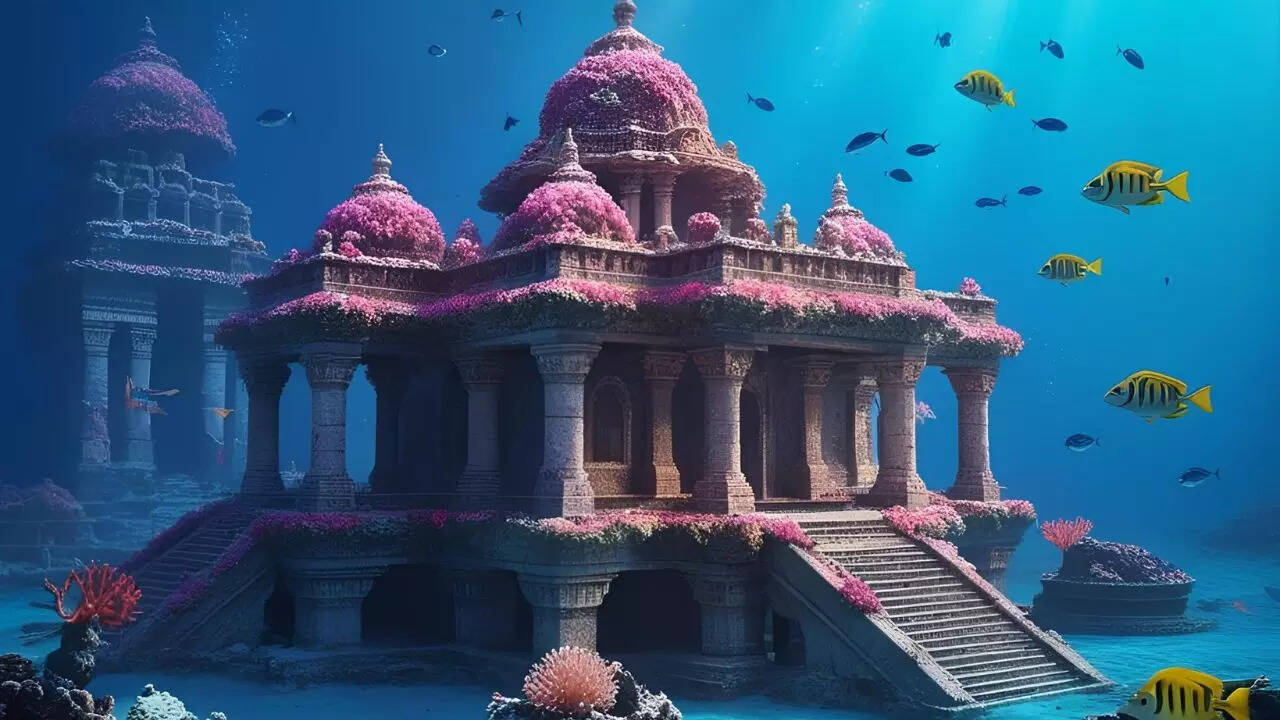
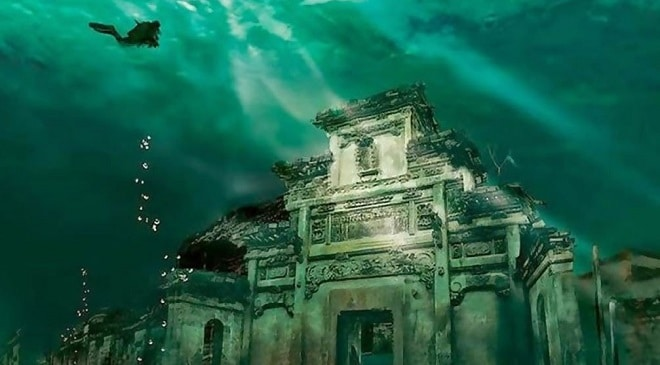
Dwarka: The Lost City of Lord Krishna — History, Myth, Archaeology & Spiritual Legacy

For millennia, the legendary city of Dwarka has captured the imagination of devotees, historians, and explorers alike. Revered as the divine kingdom of Lord Krishna, one of the most beloved incarnations of Vishnu in Hindu tradition, Dwarka is a place where mythology and material evidence intersect in extraordinary ways. Today, the city stands not only as a sacred pilgrimage center but also as a focus of archaeological investigation that seeks to uncover a chapter of ancient Indian civilization buried under the Arabian Sea.


📖 Mythology & Scriptural Foundations

According to ancient Hindu scriptures — especially the Mahabharata, Bhagavata Purana, and Harivamsa — Dwarka was founded by Lord Krishna after he left Mathura. In these texts, Krishna chooses a coastal site in present-day Gujarat, transforming it into a magnificent fortified city that served as the capital of the Yadava dynasty.

The spectacular descriptions of Dwarka’s palaces, gardens, wide streets, and grand fortifications reflect not only its political importance but also its spiritual prominence. The Mahabharata narrates that after Krishna’s departure from the mortal world, Dwarka and its inhabitants were engulfed by the sea, a cataclysmic event symbolic of the transition into Kali Yuga — the age of discord and decline.

In religious tradition, Dwarka is also part of the Sapta Puri — the seven most sacred pilgrimage sites in Hinduism — and forms an integral element of the Char Dham circuit, revered for granting spiritual liberation (moksha).


📍 The Geography of Ancient Dwarka

Dwarka is located on the western tip of the Okhamandal Peninsula along the Gujarat coast, near the mouth of the Gomti River where it meets the Arabian Sea. Today’s city of Dwarka stands on what is believed to be the heritage site of Krishna’s ancient capital. Adjacent to it lies Bet Dwarka, an island traditionally regarded as Krishna’s actual residence, where many temples dedicated to Krishna and his companions testify to the region’s deep religious history.

The vibrant culture of prayer, festivals like Janmashtami, and festive pilgrimages draw millions of devotees every year — a testament to Dwarka’s undiminished spiritual magnetism.


🏛️ Modern Dwarka: Temples & Pilgrimage

Central to the spiritual landscape is the Dwarkadhish Temple, dedicated to Krishna as the “King of Dwarka.” While archaeological evidence suggests the earliest structures may date back to several centuries BCE, the temple has undergone numerous renovations and reconstructions through the centuries.

In addition to Dwarkadhish Temple, the region is dotted with other significant sacred sites:

  • Rukmini Devi Temple: Dedicated to Krishna’s principal consort, reflecting ancient lore and architectural elegance.
  • Shri Keshavraiji Temple in Bet Dwarka: One of the oldest centers of devotion dedicated to Krishna.
    These sites, coupled with the devotional rituals practiced by pilgrims, reinforce Dwarka’s role as a living spiritual hub where ancient beliefs and community practices flourish.

🧭 Archaeological Exploration: Myth Meets Material Evidence

For decades, the belief in a sunken Dwarka remained within the realms of mythology and folklore — until modern science began probing beneath the waves. Marine archaeological surveys off the Gujarat coast have revealed submerged structures, stone anchors, pottery shards, and architectural fragments that suggest the existence of a once-flourishing coastal settlement.

Early Discoveries & S.R. Rao’s Expedition

In the late 1980s and early 1990s, pioneering Indian marine archaeologist S.R. Rao led several underwater explorations near Dwarka. These investigations identified stone walls, structural blocks, and other artifacts submerged beneath the Arabian Sea — indicative of organized urban planning. Some dates from recovered materials pointed to ancient habitational layers that correlate with periods described in historical and scriptural timelines.

Structural Evidence

Sonar surveys and underwater dives have uncovered remnants of large stone structures and man-made formations off the coast of modern Dwarka. These submerged features lie at varying depths — often between 6 to 40 meters — and include building blocks, possible roadways, and other traces of human settlement.

Some research even suggests that underlying deposits could date back to the Harappan era or earlier, hinting at a civilization that thrived long before conventional historical timelines.


🌊 Why Did Dwarka Submerge?

The reasons behind the submergence of ancient Dwarka remain complex, blending geological, climatic, and mythic narratives. Several possibilities are considered:

  • Natural coastal changes: Shifts in sea level, subsidence of land, or tectonic activity could have gradually inundated the low-lying coastal region.
  • Cataclysmic flooding: Ancient texts describe dramatic events connected with Krishna’s departure, often interpreted metaphorically or symbolically to signify endings.

While the exact cause remains a subject of debate, the archaeological evidence confirms that significant human settlements once existed near the present shoreline — some of which may have been submerged over time.


🔍 New Research & Ongoing Excavations

In recent months, the Archaeological Survey of India (ASI) has announced plans for renewed and deeper excavations, both on land and underwater, to investigate previously unexplored areas of the Dwarka region. These efforts aim to gather more comprehensive data using modern technology to better understand the city’s ancient past and its connections to the Krishna legends.

The use of advanced marine survey equipment, sediment analysis, and underwater mapping could potentially provide new insights into the extent and organization of ancient Dwarka.


🧠 What Scholars Believe vs. Mythic Interpretations

The debate around Dwarka’s historical reality involves scholars from different disciplines:

  • Traditionalists emphasize the strong alignment between scriptural descriptions and archaeological features.
  • Conservative archaeologists argue that while underwater ruins reflect human settlement, directly equating them with Krishna’s mythical city requires caution.
  • Some researchers suggest the city was once a thriving maritime port long before historical records, possibly dating as far back as the late Harappan period or earlier.

Thus, Dwarka occupies a unique zone between faith and empirical inquiry, inviting both devotion and scientific curiosity.


💫 Dwarka in Spiritual Consciousness

For devotees worldwide, Dwarka is not merely an archaeological site but a living embodiment of Krishna’s life and teachings. Pilgrimages to Dwarkadhish Temple, celebrations of Krishna Janmashtami, and ritual practices all reinforce a deep spiritual connection that transcends empirical evidence.

At its core, Dwarka symbolizes divine governance, eternal friendship, and the cyclic nature of life and time — themes that resonate deeply in Hindu philosophy.


🌟 Visiting Dwarka: Pilgrimage & Experience

Today, pilgrims and travelers can explore both the spiritual and cultural heritage of Dwarka:

  • Dwarkadhish Temple — The focal point of devotion and worship.
  • Bet Dwarka — Island retreat linked with Krishna’s earthly life.
  • Rukmini Devi Temple — Honoring Krishna’s queen and her spiritual significance.

Sunset views over the Arabian Sea, evening aarti ceremonies, and the rhythmic chants of temple bells all contribute to an experience that blends history with living tradition.


🧡 Conclusion: The Legendary Lost City

Dwarka is arguably one of India’s most intriguing intersections of myth, history, and archaeology. Its mention in ancient scriptures, combined with underwater discoveries and ongoing explorations, makes it a subject of international fascination. Whether viewed through the lens of faith or science, Dwarka’s story continues to challenge and expand our understanding of ancient civilizations.

For spiritual seekers, historians, archaeologists, and curious minds alike, Dwarka remains a city of profound mystery — where the echoes of Lord Krishna’s legacy still ripple through time and tide.

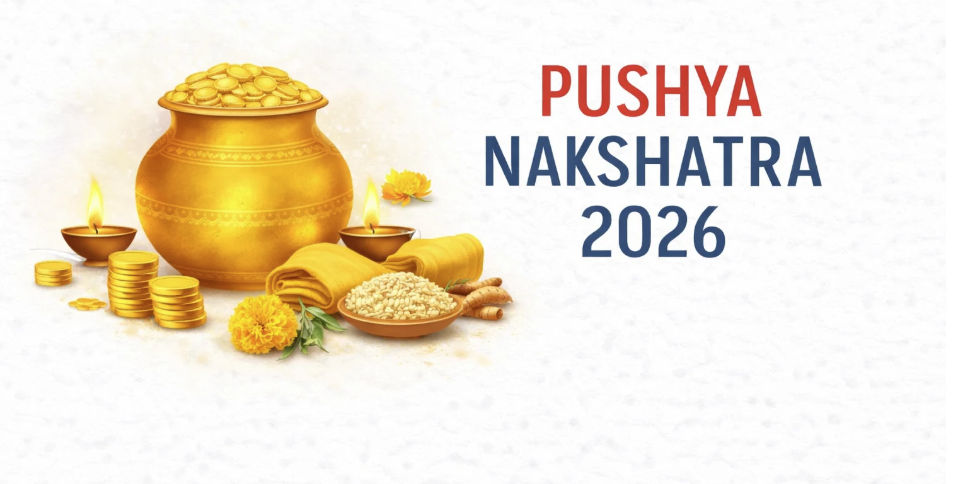
Pushya Nakshatra 2026: Auspicious Dates, Shubh Muhurat & Powerful Benefits

Pushya Nakshatra is considered one of the most auspicious and powerful nakshatras in Vedic astrology. Known as the “King of Nakshatras,” it is associated with growth, prosperity, stability, and success. Any important task started during Pushya Nakshatra is believed to bring long-lasting positive results.

In 2026, Pushya Nakshatra will occur multiple times throughout the year, offering several highly favorable moments (Shubh Muhurat) for spiritual practices, investments, business decisions, purchases, and important life events.


🌟 Importance of Pushya Nakshatra

Pushya Nakshatra is ruled by Saturn (Shani Dev) and symbolized by nourishment and strength. It supports:

• Wealth growth and financial stability
• Business expansion and new ventures
• Property and vehicle purchases
• Spiritual rituals and mantra chanting
• Wearing gemstones and malas
• Starting education or career-related work

It is especially powerful for prosperity-related activities and is often called Sarvartha Siddhi Yoga when combined with certain weekdays.


📅 Pushya Nakshatra Dates in 2026

Throughout 2026, Pushya Nakshatra will appear approximately once every month, sometimes lasting for more than a day depending on planetary movement. These dates are highly recommended for:

✔ Gold and property purchases
✔ Business investments
✔ Auspicious beginnings
✔ Puja and remedies

(For exact timings and personalized muhurat based on your kundli, consult an expert astrologer.)


⏰ Best Shubh Time (Muhurat) During Pushya Nakshatra

Although Pushya Nakshatra itself is auspicious, the most beneficial results come when activities are performed during:

• Morning Brahma Muhurat
• Daytime planetary favorable hours
• Avoiding Rahu Kaal and Gulika Kaal

A personalized muhurat based on your birth chart can multiply the positive effects.


🌿 Benefits of Performing Activities on Pushya Nakshatra

✅ Attracts prosperity and abundance
✅ Removes obstacles in work and business
✅ Enhances spiritual growth
✅ Strengthens financial planning
✅ Brings long-term success

Many people also choose Pushya Nakshatra to wear Karungali Mala, gemstones, and spiritual remedies for faster positive outcomes.


📞 Get Personalized Pushya Nakshatra Guidance

For exact Pushya Nakshatra timings in 2026 and personalized auspicious muhurat according to your kundli:

👉 Call Now: 9009231652

Our expert astrologers at astrologermanisha.in/ will guide you for wealth, success, and spiritual harmony.

Maa Brahmacharini: The Goddess of Tapasya and Devotion – Navratri Day 2

Introduction: Who is Maa Brahmacharini?

Navratri Day 2 is dedicated to Maa Brahmacharini, the goddess revered for her unwavering tapasya—spiritual penance and ascetic devotion. Her radiant simplicity and single-minded pursuit of Lord Shiva embody supreme spiritual strength and self-control, making her a cherished figure for devotees seeking guidance through adversity.


Origins: The Path of Tapasya Defined

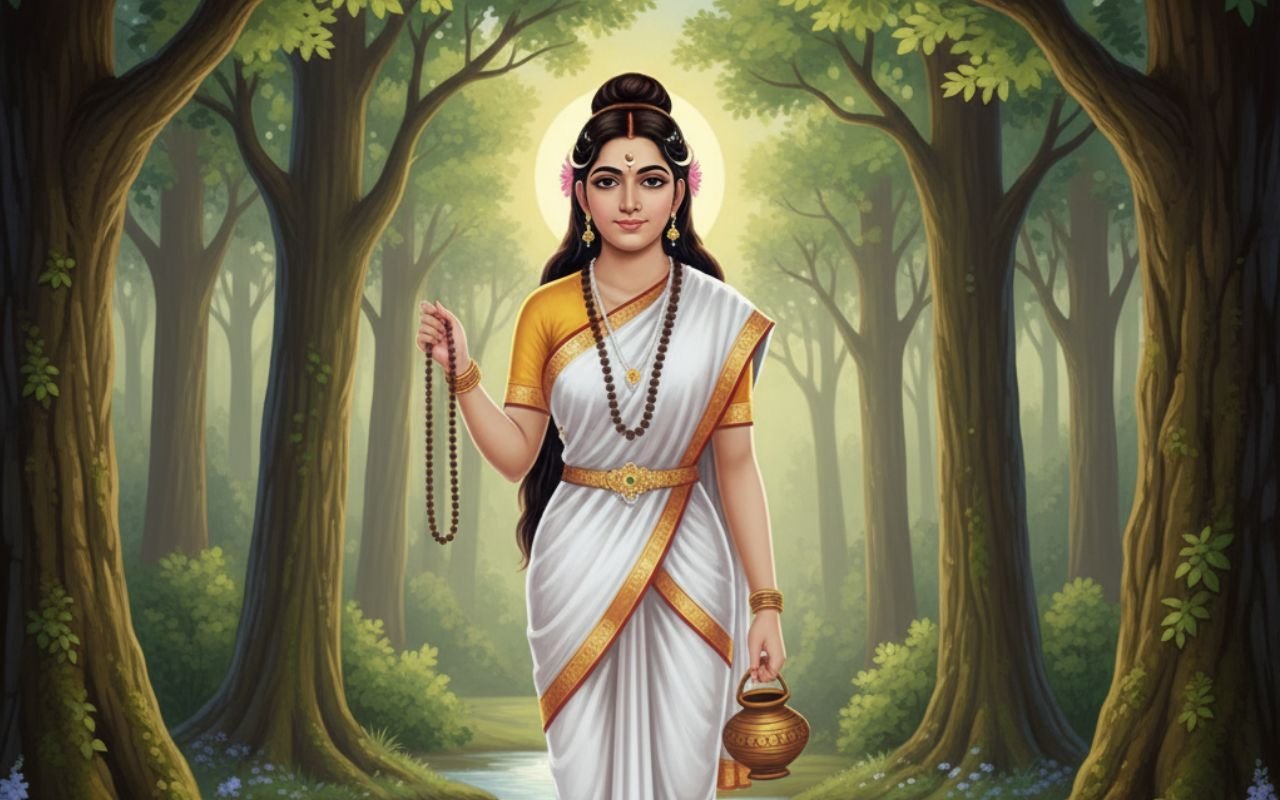
The word “Brahmacharini” comes from two Sanskrit roots—“Brahma”, meaning divine knowledge or penance, and “Charini”, meaning one who practices it. In her iconic form, Maa Brahmacharini wears a plain white saree, holds a rosary in her right hand, and a kamandalu (water pot) in her left, symbolizing utmost purity and dedication.

  • She is the unmarried, ascetic incarnation of Goddess Parvati.
  • Her penance lasted for thousands of years, where she survived on fruits, then leafy greens, and ultimately gave up even food and water—showing unmatched strength of will.

Divine Story: Why Is She Called the Goddess of Tapasya?

According to sacred texts, Parvati, wishing to reunite with Shiva, undertook severe penance and hardships to win his blessings. Her dedication was so powerful that she gained the name “Aparna” (she who gave up even leaves).

  • Lord Shiva himself visited Parvati in disguise during her penance to test her commitment.
  • After enduring years without food and water, Parvati’s tapasya moved Lord Brahma, who blessed her, declaring that only she could achieve such spiritual austerity.
  • Her journey reflects true devotion, resilience, and the rewards of unwavering faith—a spiritual lesson at the heart of Navratri worship.

Rituals, Mantras & Symbolism on Day 2

Day 2 rituals help devotees connect with Maa Brahmacharini’s energy for strength and discipline:

  • Rituals: Early morning bath, decorate the altar with white flowers, offer sugar and fruits, light a lamp, and chant mantras.
  • Mantra: “Om Devi Brahmacharinyai Namah”—recited to invoke focus, wisdom, and patience.
  • Symbolism: Her worship represents the strength to overcome obstacles and the ability to pursue a purpose with relentless determination.

Blessings and Benefits of Tapasya

Worshipping Maa Brahmacharini is believed to bestow:

  • Emotional resilience and ability to tackle life’s challenges.
  • Guidance on paths of purity, truth, and spiritual discipline.
  • Protection from untimely death and guidance towards wise choices in tough times.
  • Mastery over the mind, body, and senses—a key element in advancing towards self-realization and inner peace.

How Her Story Inspires Today’s Devotees

The penance of Maa Brahmacharini teaches the importance of patience, focus, and unwavering devotion. Her example inspires everyone to remain steadfast on their spiritual paths, regardless of external challenges.

  • She reminds one to embody purity in thought and action.
  • Devotees learn that true blessings come with humility, sacrifice, and perseverance.

Unlock Divine Blessings With Expert Navratri Guidance

To truly harness Maa Brahmacharini’s blessings this Navratri, consult with Vedic astrology specialists at astrologermanisha.in/. Receive personalized rituals, auspicious muhurat timings, and unique spiritual remedies for lasting strength and wisdom.

Book your in-depth Navratri consultation today—begin your spiritual journey guided by the Goddess of Tapasya!

Maa Chandraghanta Day 3: Ultimate Guide to Significance, Puja Vidhi, and Benefits

🌙 Why Maa Chandraghanta Day 3 Matters

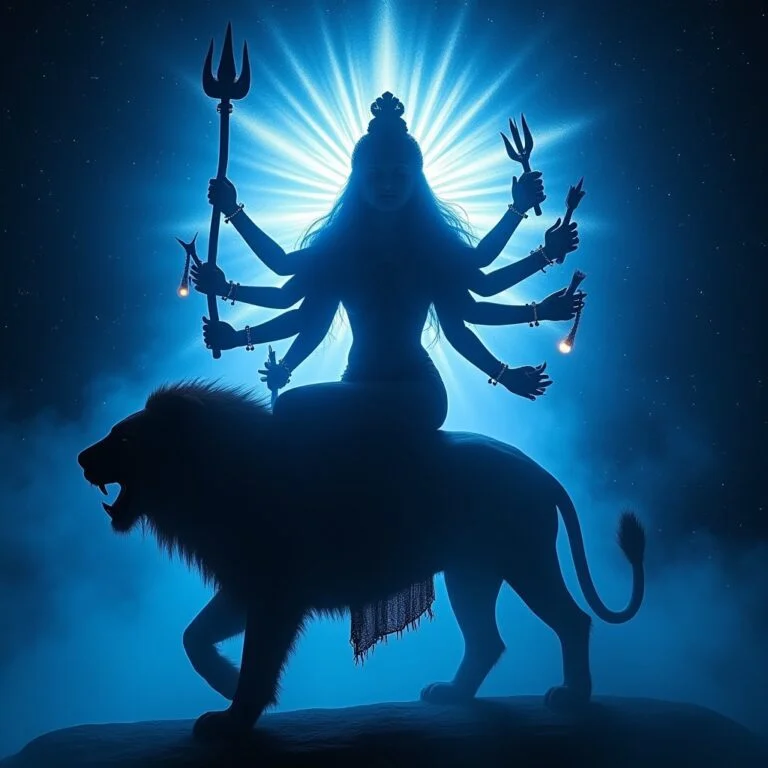
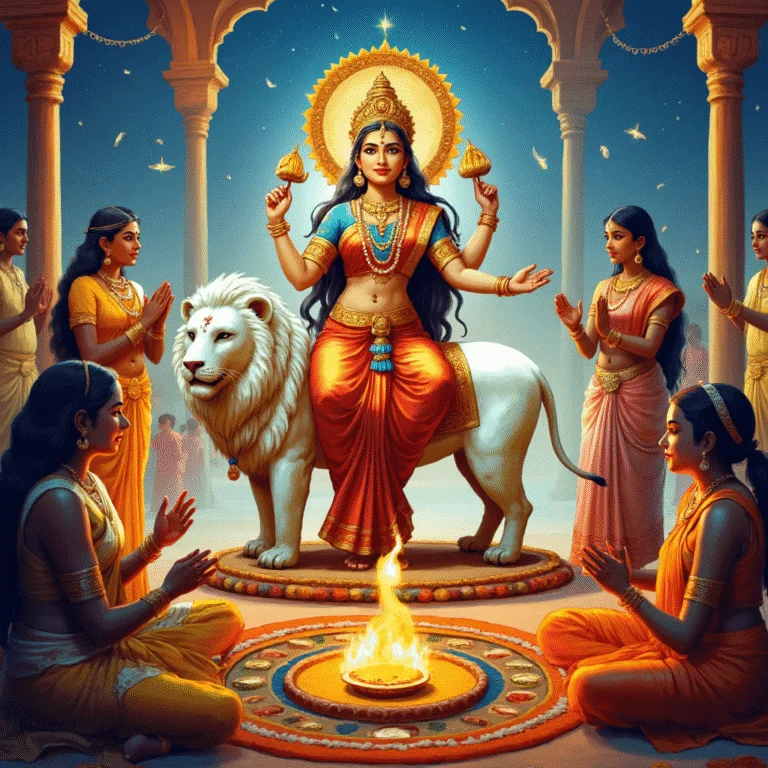
Day 3 of Navratri is dedicated to Maa Chandraghanta, the fierce yet compassionate form of Goddess Durga. She is known for:

  • Granting courage and fearlessness
  • Removing negativity and inner turmoil
  • Opening the path to peace, prosperity, and spiritual awakening

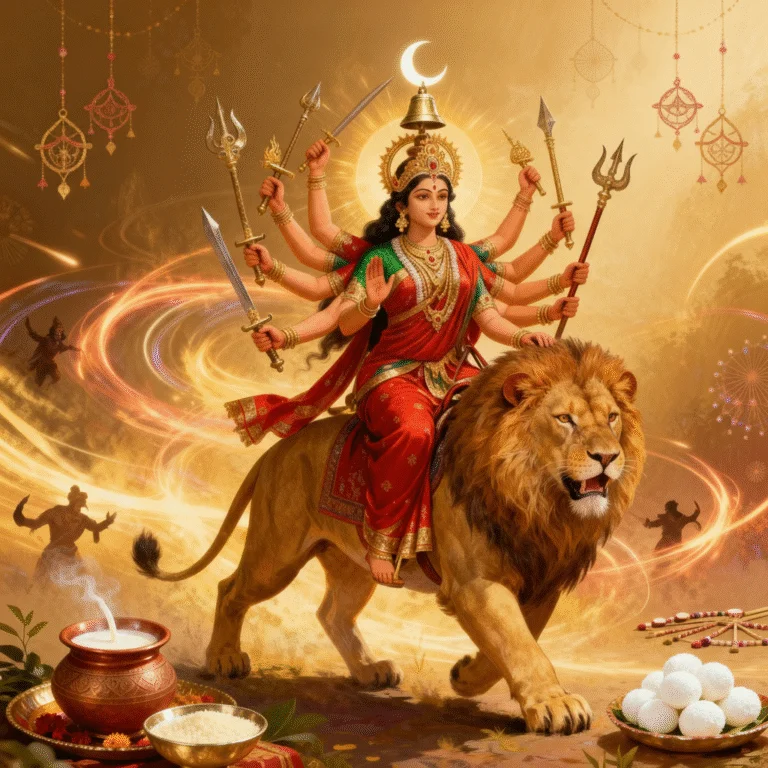
Her unique mark is the crescent moon (Chandra) shaped like a bell (Ghanta) on her forehead, symbolizing bravery and divine energy.

👉 Worshipping Maa Chandraghanta on Day 3 ensures protection from evil forces and strengthens your spiritual journey.


🙏 Who is Maa Chandraghanta? (Spiritual Significance)

  • Third form of Navdurga – embodiment of justice and power.
  • Lion-rider – symbol of courage in adversity.
  • Ten-armed goddess – carrying weapons and flowers, balancing strength with compassion.
  • Crescent moon – eternal hope and fearless consciousness.

Her blessings help devotees fight inner battles while staying calm and grounded.


🎨 Day 3 Navratri Color & Symbolism

Each Navratri day has a special color. For Maa Chandraghanta:

  • Colors: Yellow or Grey (positivity, courage, prosperity)
  • Flowers: Marigold, yellow lotus, roses
  • Symbolism: Wearing or offering these colors enhances spiritual vibrations and invokes her energy faster.

🪔 Maa Chandraghanta Puja Vidhi (Step-by-Step Guide)

Follow this proven ritual sequence for maximum blessings:

  1. Purification: Bathe and prepare a clean worship space.
  2. Altar Setup: Place Maa Chandraghanta’s idol/picture on a decorated chowki with yellow/red cloth.
  3. Kalash Sthapana: Fill a kalash with water, cover with mango leaves, and place a coconut on top.
  4. Decoration: Use marigolds and red-yellow flowers.
  5. Offerings (Bhog): Milk, kheer, peda, fruits (banana, mango).
  6. Mantra Chanting:
    • Main mantra: “Om Devi Chandraghantayai Namah”
    • Chant 108 times for fearlessness and inner strength.
  7. Aarti & Meditation: Light a ghee lamp, perform aarti, and meditate on her golden aura.

📿 Maa Chandraghanta Mantras & Spiritual Power

Chanting mantras connects directly with her divine energy.

Core Mantra: Om Devi Chandraghantayai Namah
👉 Benefits: Dispels anxiety, enhances determination, and sharpens spiritual clarity.


🍯 Bhog & Offerings to Please Maa Chandraghanta

Special foods offered on Day 3 include:

  • Milk-based sweets: Kheer, peda, rasgulla
  • Panchamrit: Mix of milk, curd, honey, sugar, and ghee
  • Seasonal fruits: Especially yellow bananas & mangoes

These symbolize purity, devotion, and abundance.


🌟 Key Benefits of Worshipping Maa Chandraghanta

When rituals are performed correctly, devotees experience:

  • ✅ Freedom from fear, evil energies & negative thoughts
  • ✅ Boosted confidence and decision-making power
  • ✅ Peace, harmony & emotional balance
  • ✅ Spiritual growth & activation of Manipura Chakra (vitality, leadership, personal power)

⚡ Common Mistakes to Avoid

Many devotees unknowingly reduce puja results. Avoid these errors:

  • ❌ Skipping prescribed colors (yellow/grey)
  • ❌ Using stale flowers or inappropriate bhog
  • ❌ Ignoring auspicious muhurat timings
  • ❌ Rushing the rituals without meditation

👉 Pro Tip: For accurate muhurat & remedies, always consult an experienced astrologer.


🔮 CTA: Unlock Maa Chandraghanta’s Blessings with Expert Guidance

Want to maximize your Navratri puja results?
At astrologermanisha.in/, our certified astrologers provide:

  • ✅ Personalized puja timings (based on your birth chart)
  • ✅ Remedies for planetary doshas
  • ✅ Energization rituals & mantra schedules
  • ✅ Gemstone recommendations for spiritual progress

✨ Book Your Navratri Consultation Today!
Transform fear into courage and chaos into peace with Maa Chandraghanta’s divine blessings.


🌺 Conclusion: Embrace Courage & Harmony This Navratri

Maa Chandraghanta’s worship on Day 3 isn’t just a ritual—it’s a spiritual reset. Her energy:

  • Protects from negativity
  • Boosts confidence & courage
  • Awakens higher consciousness

This Navratri, don’t just celebrate—transform your destiny with Maa Chandraghanta’s grace and expert Vedic guidance.

👉 Begin your spiritual journey now at astrologermanisha.in/.

Navratri Day 9, 2025: Worshipping Maa Siddhidatri – Goddess of Perfection and Spiritual Attainment

The ninth and final day of Shardiya Navratri honors Maa Siddhidatri, the granter of all siddhis (perfections and supernatural powers) and the ultimate embodiment of divine fulfillment. Devotees turn to her for spiritual achievements, blessings, and the completion of all endeavors.

Who is Maa Siddhidatri?

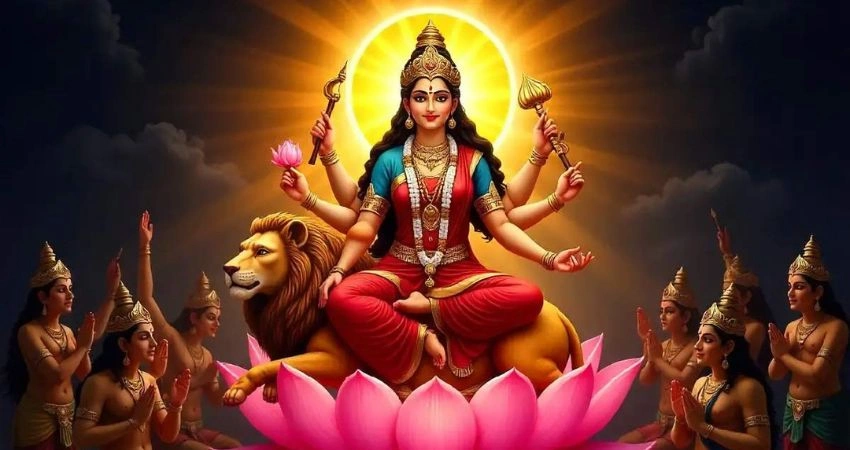
Maa Siddhidatri is portrayed with four arms, seated on a lotus or lion, holding a lotus, mace, chakra, and shankha (conch). She radiates serenity and divine grace, bestowing devotees with wisdom, success, and prosperity. Her form represents the union of Shiva and Shakti, as she granted Lord Shiva various siddhis through her blessings.

Spiritual Significance

Navami (the ninth day) is considered the culmination of the Navratri journey. Worshipping Maa Siddhidatri helps remove ignorance, fulfill spiritual aspirations, and bring about harmony and perfection in life. Her divine blessings are believed to complete all undertakings and destroy negativity, paving the way for success.

Auspicious Colour of the Day: Purple

The colour for Navratri Day 9 in 2025 is purple. This vibrant colour signifies ambition, wisdom, and spiritual awakening. Devotees are encouraged to wear purple to attract the goddess’s energy and blessings for higher consciousness.

Bhog to Offer

The traditional bhog (offering) for Maa Siddhidatri on Day 9 is sesame seeds (til) and sweets prepared from sesame. Offering til is believed to invoke her divine grace for overcoming obstacles and achieving all desires.

Rituals and Puja Vidhi

  • Cleanse the puja space and install Maa Siddhidatri’s idol.
  • Decorate the altar with purple flowers, fresh fruits, and sesame-based sweets.
  • Offer til, sweets, and pure water, along with incense and lamps.
  • Recite Maa Siddhidatri’s mantras, especially:
    “Om Devi Siddhidatryai Namah”
  • Perform the aarti and meditate on her serene form, asking for perfection, spiritual growth, and happiness.

Legend and Blessings

According to tradition, Maa Siddhidatri bestowed all siddhis upon Lord Shiva, enabling him to become Ardhanarishwara (half male, half female). Her blessings complete the devotee’s spiritual journey and grant fulfillment on all levels.


Navratri Day 9 with Maa Siddhidatri is the time for spiritual accomplishment and divine harmony. Wear purple, offer sesame seeds, and invite the goddess’s perfection into life’s every aspect.

Explore step-by-step rituals, mantras, and guidance at astrologermanisha.in/.

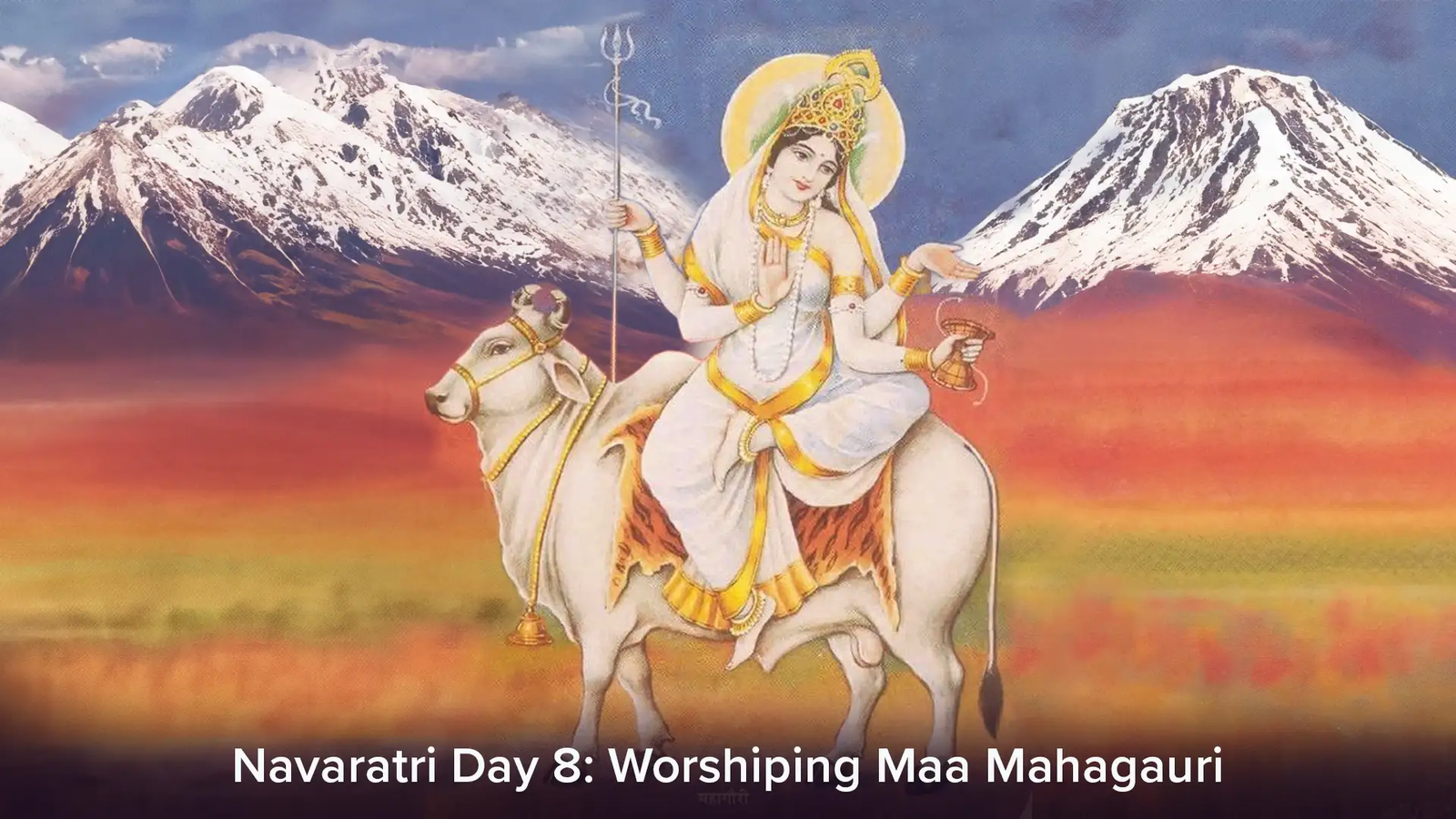
Navratri Day 8, 2025: Worshipping Maa Mahagauri – Symbol of Purity and Peace

The eighth day of Navratri, also known as Ashtami, is devoted to Maa Mahagauri, revered as the goddess of purity, tranquility, and hope. Adorned in radiant white, Maa Mahagauri embodies peace, spiritual clarity, and the power of transformation—granting her devotees inner peace, prosperity, and new beginnings.

Appearance and Symbolism

Maa Mahagauri’s serene form glows with a white aura, symbolizing the cleansing of all past mistakes and impurities. She is depicted with four arms: two hands hold a trident (Trishul) and a damaru (drum), and the other two bless her followers with protection and boons. She rides a white bull called Nandi, signifying strength and unwavering devotion.

Significance & Rituals on the Eighth Day

Day 8, Maha Ashtami, is immensely auspicious in Navratri. Devotees perform special pujas seeking Maa Mahagauri’s blessings for peace, clarity, and wish fulfillment. It’s tradition to conduct Kanya Puja—an act of honoring young girls as symbols of divine feminine energy by washing their feet and offering gifts and prasad.

Auspicious Colour of the Day: Purple

The sacred colour for Navratri Day 8 in 2025 is purple. Wearing purple today invokes spiritual elevation, luxury, and a deeper connection with divinity.

Bhog & Prasad for Maa Mahagauri

Coconut is the traditional bhog (offering) given to Maa Mahagauri on this day, symbolizing the purity and fulfillment of desires. Devotees also prepare and offer kheer (rice pudding), puris, bananas, and sweets along with fresh flowers, especially jasmine or mogra.

Puja Vidhi (Steps for Worship)

  1. Cleanse yourself and the puja space with Gangajal.
  2. Install Maa Mahagauri’s idol or image on a clean, decorated altar.
  3. Offer white or purple flowers, coconut, sweets, and fruit.
  4. Adorn the goddess with a white or red chunri (scarf).
  5. Light lamps and incense, and sprinkle holy water.
  6. Recite mantras and perform the aarti with heartfelt devotion.

Recommended Mantra for Maa Mahagauri

“Om Devi Mahagauryai Namah”

Spiritual Message

The worship of Maa Mahagauri encourages letting go of past negativity, embracing purity, and setting intentions for a peaceful, prosperous future. Her blessings are believed to dissolve obstacles and grant heartfelt wishes with sincerity and faith.


For a full ritual guide, mantras, and devotional resources, explore more at astrologermanisha.in/.

Navratri Day 7, 2025: Worship of Maa Kaalratri – The Fierce Protector of Devotees

The seventh day of Navratri 2025 is dedicated to Maa Kaalratri, one of the most fierce and powerful forms of Goddess Durga. She embodies strength, fearlessness, and the destruction of evil forces. Worshipping Maa Kaalratri on this day helps devotees eliminate fears, negativity, and obstacles, thereby inviting courage and spiritual empowerment into their lives.

About Maa Kaalratri

Maa Kaalratri possesses a dark complexion symbolizing the immense power to destroy darkness and ignorance. She rides a black donkey, and her four hands hold a sword, a thunderbolt, a blessing gesture, and a protective posture. Her wild hair and radiant third eye reveal her intense energy as the vanquisher of evil and protector of her devotees.

Significance of Navratri Day 7 Worship

Saptami, the seventh day, symbolizes victory of light over darkness. Devotees believe worshipping Maa Kaalratri grants protection from negative energies, removal of fears, and spiritual growth. It is an opportunity to seek her blessings for strength and liberation from life’s difficulties.

Colour of the Day: Grey

The color grey is prescribed to be worn on this auspicious day. Grey represents strength, balance, and neutrality—helping devotees stay grounded as they connect with Maa Kaalratri’s fierce yet protective energy.

Bhog to Offer

Jaggery (gur) is the traditional and most favored offering, symbolizing sweetness that conquers bitterness. Other offerings include hibiscus flowers, dry fruits, rice, and fresh fruits to please the goddess.

Mantra for Maa Kaalratri

Chant this powerful mantra to invoke her blessings:
“Om Aim Hreem Kleem Chamundayai Vichche Namah”

Puja Ritual Steps

  1. Clean the puja area and place Maa Kaalratri’s idol on a clean grey or black cloth.
  2. Decorate the altar with red or marigold flowers and mango leaves.
  3. Light a diya and incense sticks, and place offered bhog.
  4. Recite the mantra with devotion and meditate on the goddess’s fierce form.
  5. Perform aarti and seek her protection and blessings.

Combining with Bagalamukhi Puja

Many devotees also perform Bagalamukhi Puja along with Maa Kaalratri worship, as Bagalamukhi’s energy halts enemies and negativity, complementing Maa Kaalratri’s fierce power to protect and liberate.


For detailed puja guidance and personalized offerings, visit astrologermanisha.in/.

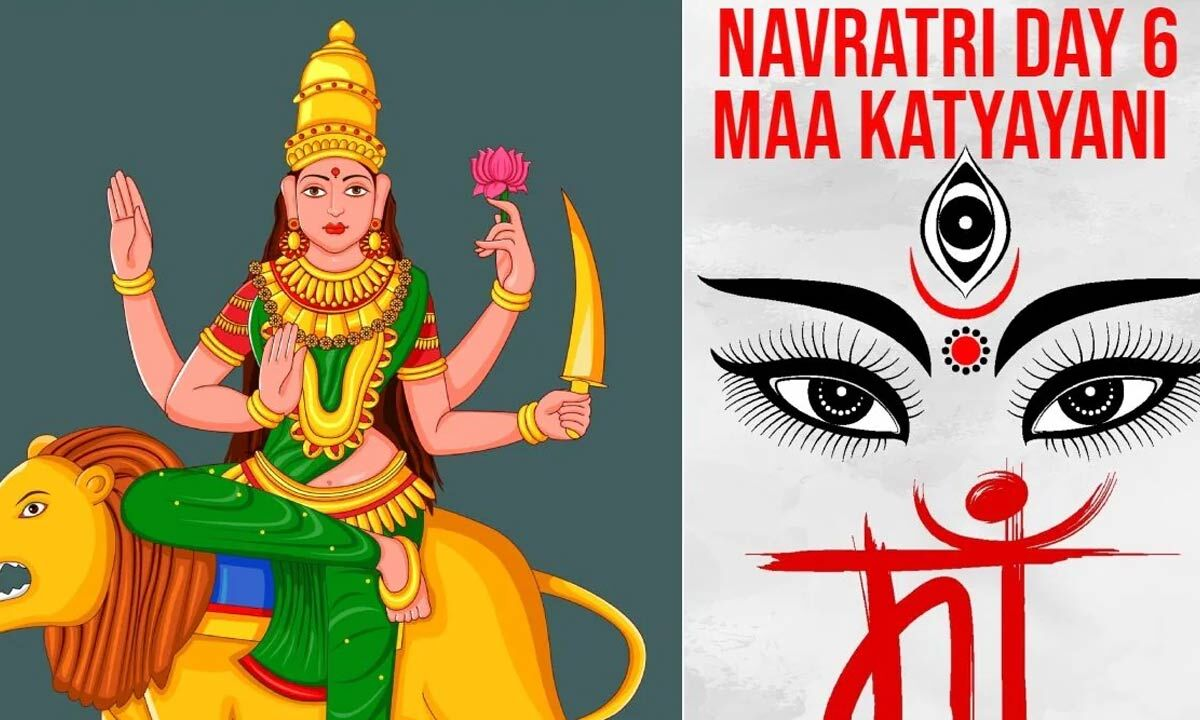
Celebrating the 6th Day of Navratri: Maa Katyayani Bhog, Today’s Color, and Spiritual Significance

Introduction to the Sixth Day of Navratri

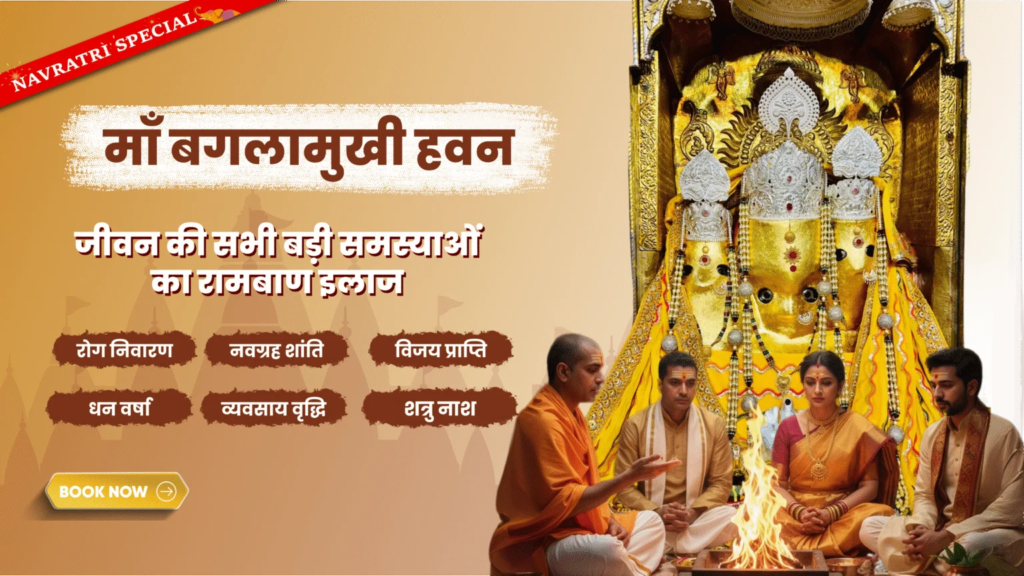
Maa Baglamukhi Hawan (Online & Offline)

The sixth day of Navratri holds special significance in the nine-night festival dedicated to Goddess Durga. On this day, devotees worship Maa Katyayani, the sixth manifestation of the Divine Mother, who represents courage, strength, and victory over evil forces. According to ancient texts, Maa Katyayani was created from the combined energies of the Gods to destroy the demon Mahishasura, making her embodiment of divine power and justice. This day offers spiritual seekers a powerful opportunity to overcome obstacles and achieve success in their endeavors through dedicated worship and offerings.

At Prashna Kundali, we understand the deep connection between planetary influences and divine energy, especially during auspicious periods like Navratri. Our expert astrologers are available to provide personalized guidance on how to make the most of this powerful day based on your birth chart and current planetary positions. Call 9009231652 now for a personalized Navratri consultation tailored to your spiritual needs!

The Significance of Maa Katyayani

Mythology and Symbolism

Maa Katyayani is known as the “Warrior Goddess” who rides a magnificent lion and wields multiple weapons in her hands. She is depicted with a golden complexion and is often shown in a fierce form, ready to combat negative forces. The name “Katyayani” originates from the sage Katyayan, who performed severe penance to invoke the Goddess and request her to be born as his daughter. She answered his prayers and took birth in his ashram, later fulfilling her divine purpose of destroying evil.

Spiritual Benefits of Worshipping Maa Katyayani

Devotees who worship Maa Katyayani with sincere devotion receive:

  • Victory over enemies, competitors, and obstacles
  • Courage to face challenges and overcome fears
  • Protection from negative energies and black magic
  • Harmony in relationships, especially for those seeking marriage
  • Strength to overcome health challenges and diseases

🎯 Special Offer: Curious about how Maa Katyayani’s energy can transform your life? Speak to our expert astrologers at 9009231652 to understand the specific benefits you can receive through dedicated worship based on your planetary alignments!

Today’s Navratri Color (2024): Orange

Symbolism of Orange

On the sixth day of Navratri 2024, the designated color is vibrant orange, which represents:

  • Enthusiasm and energy for new beginnings
  • Creativity and expression without inhibitions
  • Success and victory in competitive endeavors
  • Spiritual awakening and transformation
  • Warmth and positive energy in relationships

Fashion Suggestions

Incorporating orange into your attire and surroundings enhances the day’s spiritual vibrations:

  • Wear orange traditional outfits like sarees, suits, or dhotis
  • Accessorize with orange jewelry or accessories
  • Decorate your puja space with orange flowers (marigolds) and fabrics
  • Use orange accents in your home décor to invite positive energy

👗 Fashion Tip: Not sure how to incorporate orange in a way that aligns with your personal energy? Text your birth details to 9009231652 for personalized color guidance based on your astrological chart!

Maa Katyayani Bhog: Traditional Offerings and Recipes

Recommended Bhog Items

The sixth day of Navratri calls for sattvic (pure) offerings that please Maa Katyayani. Traditional bhog includes:

  1. Honey-based sweets – Symbolizing sweetness in life
  2. Milk-based desserts – Representing purity and nourishment
  3. Fruits – Especially oranges and seasonal varieties
  4. Saffron-infused dishes – Denoting prosperity and spirituality

Special Recipe: Kesari Malpua (Saffron Pancakes)

Ingredients:

  • 1 cup whole wheat flour (kuttu ka atta for fasting)
  • 2 cups milk
  • ½ cup honey or sugar
  • A pinch of saffron strands
  • Ghee for frying
  • Chopped nuts for garnishing

Preparation:

  1. Soak saffron in warm milk for 15 minutes
  2. Mix flour, saffron-infused milk, and honey to make a smooth batter
  3. Heat ghee in a pan and pour small portions of the batter
  4. Fry until golden brown on both sides
  5. Garnish with chopped nuts and serve warm

🍯 Pro Tip: Offering homemade bhog with devotion amplifies its spiritual potency. For personalized guidance on offerings that align with your planetary chart, call 9009231652 to consult with our expert astrologers!

Puja Rituals for the Sixth Day

Step-by-Step Worship Procedure

  1. Cleanliness: Begin with a purification bath and wear clean orange clothes
  2. Altar Setup: Place an image or idol of Maa Katyayani on a yellow or orange cloth
  3. Invocation: Light a ghee lamp and incense to create sacred space
  4. Offerings: Present flowers, fruits, and specially prepared bhog
  5. Mantra Chanting: Recite the Katyayani mantra 108 times:
    • “Om Katyayanyai Namah” or
    • “Ya Devi Sarvabhuteshu Maa Katyayani Rupena Samsthita Namastasyai Namastasyai Namastasyai Namo Namah”
  6. Aarti: Perform the evening aarti with devotion
  7. Prasad Distribution: Share the blessed food with family and friends

Mantra Significance

Chanting Maa Katyayani’s mantras with sincerity helps:

  • Remove negative planetary influences from your life
  • Enhance martial harmony and relationship satisfaction
  • Develop courage and confidence in difficult situations
  • Attract victory in legal matters and competitions

🔮 Enhanced Worship: Want to know the exact number of mantra repetitions and optimal timings for your personal chart? Call 9009231652 for customized puja instructions from our experienced astrologers!

Astrological Significance of the Sixth Day

Planetary Influences

The sixth day of Navratri is governed by Jupiter (Guru) and Mars (Mangal), creating a powerful energy for:

  • Removing obstacles caused by unfavorable planetary positions
  • Enhancing leadership qualities and decision-making abilities
  • Improving marital prospects and relationship harmony
  • Gaining victory over competitors and opponents

Connection with Prashna Kundali

At Prashna Kundali, we specialize in answering your specific questions through the ancient art of Vedic horary astrology. The sixth day of Navratri is particularly powerful for:

  • Clarity on ongoing challenges and their solutions
  • Insight into relationship dynamics and compatibility
  • Guidance on career decisions and competitive examinations
  • Understanding health issues and their remedies

🌟 Limited Consultation Slots: The powerful energies of Navratri make this an ideal time for astrological guidance. Book your personalized Prashna Kundali reading today by calling 9009231652! Our expert astrologers are available for 15, 30, or 60-minute consultations to address your specific questions.

Frequently Asked Questions

Q1: Why is orange color significant on the sixth day of Navratri?

Orange represents energy, enthusiasm, and success—qualities embodied by Maa Katyayani. Wearing this color helps devotees align with her victorious energy and attract positive outcomes in their endeavors.

Q2: Can I worship Maa Katyayani for marriage-related concerns?

Yes, Maa Katyayani is especially worshipped by those seeking harmonious relationships and marriage. Unmarried devotees often observe fasts and perform special pujas to receive her blessings for finding a suitable life partner.

Q3: What are the specific benefits of offering honey-based sweets to Maa Katyayani?

Honey represents sweetness and purity in relationships. Offering honey-based sweets helps remove bitterness from relationships and attracts harmonious connections based on mutual respect and affection.

Q4: How can Prashna Kundali help during Navratri?

Our expert astrologers use the powerful energies of Navratri to provide precise answers to your specific questions about relationships, career, health, and spiritual growth through Prashna Kundali—Vedic horary astrology that doesn’t require your birth details.

📞 Have More Questions? Our astrologers are available to answer your specific queries about Navratri observances, rituals, and their astrological significance. Call 9009231652 now for immediate guidance!

Conclusion: Embrace the Power of Maa Katyayani

The sixth day of Navratri offers a profound opportunity to connect with Maa Katyayani’s divine energy of courage, victory, and transformation. By observing the rituals with devotion, wearing the auspicious orange color, and offering sincere bhog, devotees can overcome obstacles and attract success in all areas of life.

At Prashna Kundali, we’re committed to helping you navigate your spiritual journey with personalized astrological guidance. Whether you need clarity on your relationships, career, health, or spiritual practices, our expert astrologers are here to provide answers tailored to your unique situation.

🕉 Special Navratri OfferBook a 30-minute consultation for only ₹999 (usually ₹1500) and receive:

  • Detailed guidance on Navratri rituals specific to your needs
  • Personalized mantras and remedies based on your current challenges
  • Insights into planetary influences affecting your life
  • Practical solutions to overcome obstacles and attract success

Don’t miss this opportunity! Call 9009231652 now to connect with our expert astrologers during this powerful Navratri period.

May Maa Katyayani bless you with courage, victory, and spiritual growth!

May Maa Baglamukhi bless you with protection, victory, and spiritual growth!

Maa Baglamukhi Healing & Protection Havan :

Payment Linkhttps://pages.razorpay.com/pl_RGeSM4GOREzRzM/view

Navratri Day 5: Worship Maa Skandamata – The Divine Mother of Wisdom and Prosperity

The fifth day of Navratri, also known as Panchami, is devoted to the worship of Maa Skandamata, the compassionate mother of Lord Skanda or Kartikeya. As the fifth aspect of Goddess Durga, Maa Skandamata embodies maternal love, protection, wisdom, and salvation—bestowing immense blessings on her devotees.

https://pages.razorpay.com/pl_RGeSM4GOREzRzM/view

The Significance of Maa Skandamata

Maa Skandamata sits gracefully on a lotus, with her beloved son Skanda in her lap and a gentle lion by her side. She is usually portrayed with four arms—one holding Skanda, one in blessing (abhaya mudra), and the other two carrying lotus flowers. Her celestial form radiates tranquility, wisdom, and unconditional grace, guiding her followers toward prosperity and spiritual advancement. Worshipping Skandamata not only brings happiness and peace to families but also invokes her powers of protection and maternal care.

Why Worship Maa Skandamata During Navratri?

Navratri Day 5 is considered particularly auspicious for those seeking wisdom, strength, and liberation from challenges. Through heartfelt worship, devotees are believed to receive:

  • Blessings for wisdom and prosperity
  • Protection for children and family well-being
  • Freedom from obstacles and inner negativity
  • Spiritual transformation and peace

Maa Skandamata Puja Vidhi – Step-by-Step Rituals

1. Preparation:
Begin the day with a bath and wear clean green or yellow attire—colors associated with serenity and wisdom. Arrange a respectful altar with Maa Skandamata’s idol or image, and decorate it with lotus flowers and a red/white cloth.

2. Setting the Kalash:
Place a sacred Kalash (pot) with holy water, coconut, and mango leaves beside the idol.

3. Offerings:
Present fresh fruits, especially bananas and apples, Panchamrit (mixture of milk, curd, honey, ghee, and sugar), lotus flowers, dry fruits, sweets (like kheer or halwa), and incense sticks as offerings.

4. Mantra Recitation:
Chant the following mantra with devotion:
“Om Devi Skandamatayai Namah”
Recite this 108 times, seeking Maa’s blessings for wisdom and family harmony.

5. Aarti and Prayers:
Light the lamp and perform aarti while singing praises of Maa Skandamata. Meditate on her image, visualizing her bestowing love and protection.

6. Distribution of Prasad:
After the puja, share the sacred prasad with family and friends to spread joy and prosperity.

Spiritual Lessons from Maa Skandamata

Worshipping Skandamata inspires us to embody nurturing love, courage, and wisdom. Her divine presence encourages letting go of ego and embracing humility and compassion in daily life.

Connect With astrologermanisha.in/ For Ritual Guidance

Make the fifth day of Navratri truly special with expert guidance from astrologermanisha.in/. Get step-by-step puja instructions, personalized mantras, and remedies for attracting Maa Skandamata’s blessings to your home.

For detailed consultations or guidance, visit https://astrologermanisha.in/ or call +91-9009231652.

Invite wisdom, motherly grace, and prosperity into your life this Navratri with Maa Skandamata’s divine blessings!

Maa Baglamukhi Healing & Protection Havan :

recent

Categories