loading

Category: Blog

Navratri Day 4: Worship Maa Kushmanda – Source of Divine Light and Vitality

The auspicious fourth day of Navratri is dedicated to Maa Kushmanda, revered as the creative force who brought the cosmos into existence with her radiant smile. This special day celebrates her power as the embodiment of light, vitality, and abundance, inviting devotees to connect deeply with the goddess and receive her blessings for health, prosperity, and inner strength.

Who is Maa Kushmanda?

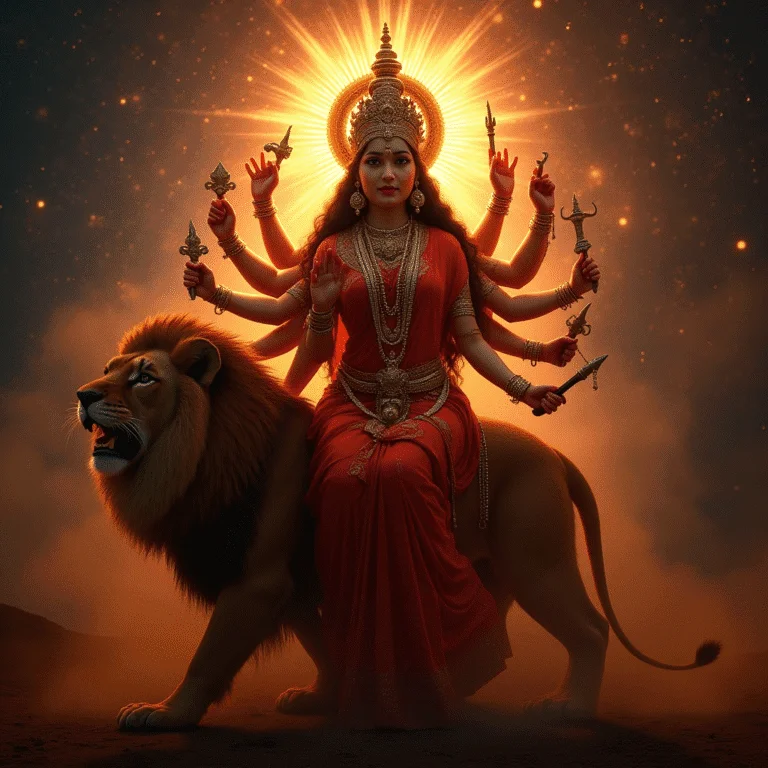
Maa Kushmanda, the fourth manifestation of Navadurga, is known as the “creator of the universe.” Her name combines “Ku” (little)“Ushma” (energy/warmth), and “Anda” (egg), symbolizing the cosmic egg of creation. She rides a lion and is depicted with eight arms holding essential divine symbols, including a kamandalu, bow, arrow, lotus, and discus. All of these reflect her ability to nurture, protect, and grant power to her devotees.

Through sheer will and a radiant smile, she filled the void of nothingness with creation, light, and life force. On Navratri Day 4, followers celebrate her role as the sustainer and energizer of the universe.

Significance of Worshipping Maa Kushmanda

Honoring Maa Kushmanda is believed to:

  • Remove negative energies and fears
  • Enhance vitality, health, and strength
  • Illuminate the mind and heart with clarity
  • Bring prosperity, abundance, and success
  • Foster creative intelligence and spiritual growth

Her blessings are sought for overcoming life’s obstacles and generating new beginnings filled with positivity and spiritual radiance.

Traditional Rituals and Puja Vidhi

1. Preparation:
Cleanse the worship area thoroughly. Place a red or yellow cloth on the altar and set up an image or idol of Maa Kushmanda. Arrange the sacred Kalash (pot) with water, mango leaves, and a coconut.

2. Morning Puja:
Wear royal blue or yellow attire, the colors associated with auspiciousness on this day. Offer jasmine or other fresh flowers to the goddess.

3. Offerings (Bhog):
Malpua (a sweet), fruits, and milk-based treats are considered favorite offerings. Include orange and red flowers as well.

4. Mantra Chanting:
Recite mantras such as:
“Om Devi Kushmandayai Namah”
and
“Ya Devi Sarva Bhuteshu Kushmanda Rupena Samsthita, Namastasyai Namastasyai Namastasyai Namo Namah”
Chanting these 108 times invokes the goddess’s creative and healing energies.

5. Aarti and Prayer:
Perform aarti with devotion, moving the lamp in circular motions before Maa Kushmanda’s image and singing her praises. Pray sincerely for health, happiness, and spiritual progress.

6. Fasting (Vrat):
Many devotees observe a fast, consuming only sattvic food and avoiding grains, salt, and spices, to deepen spiritual focus and receive the goddess’s blessings.

7. Distribution of Prasad:
Share the sacred offerings with family and friends to spread the joy and positivity of this auspicious day.

Symbolic Lessons for Devotees

Maa Kushmanda’s worship teaches us about harnessing inner energy, facing challenges with a positive mindset, and nurturing creative abilities. Her story serves as a guiding light for those seeking new pathways and the courage to overcome darkness.

Connect With astrologermanisha.in/ For Personalized Ritual Guidance
Embrace the spirit of Navratri Day 4 with expert guidance from astrologermanisha.in/. Receive step-by-step instructions, mantras, and remedies tailored for you and your family. Let Maa Kushmanda’s light energize your journey and remove all obstacles.

To learn more or for personalized consultations, visit https://astrologermanisha.in/ or call +91-9009231652.

Bring home divine blessings and transform your Navratri with the radiant power of Maa Kushmanda.

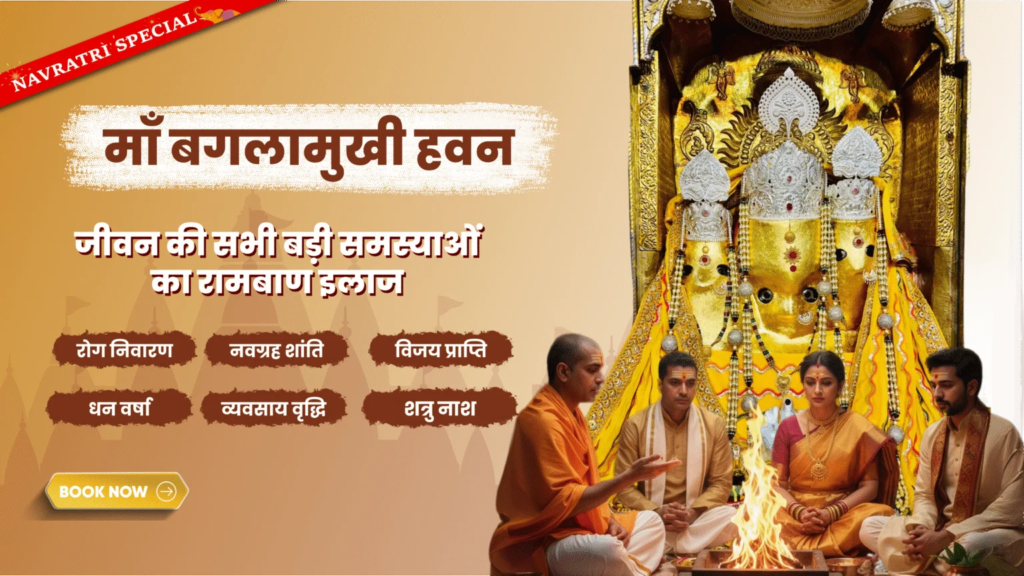
Book Maa Baglamukhi Hawan (Online & Offline)

Maa Chandraghanta: Story, Bhog & Significance | Navratri 2025

Navratri 2025 will be celebrated with devotion, music, colors, and cultural fervor across India and among Hindu communities worldwide. Each of the nine days of Navratri is dedicated to a different form of Maa Durga, and the third day of Navratri honors Maa Chandraghanta, the Goddess of courage, strength, and serenity.

On this day, devotees seek her blessings to gain fearlessness, confidence, and peace. Many also look for Navratri wishes images of Maa Chandraghanta to share with friends and family, spreading festive positivity and divine blessings.


Story of Maa Chandraghanta

According to Hindu scriptures, after Goddess Parvati married Lord Shiva, she adorned her forehead with a crescent-shaped moon that looked like a bell (Ghanta). This is how she came to be known as Chandraghanta.

Maa Chandraghanta rides a fierce lion and carries ten divine weapons. Her bell-like roar once terrified demons such as Mahishasura, protecting her devotees from harm.

Worshiping Maa Chandraghanta on the 3rd Day of Navratri 2025 helps devotees gain inner courage, protection from evil forces, and the strength to overcome personal and professional struggles.


Bhog on the 3rd Day of Navratri 2025

Devotees prepare milk, kheer, and white-colored sweets as bhog for Maa Chandraghanta. Offering these items symbolizes purity, removes negativity, and invites harmony and spiritual upliftment at home.

Along with bhog, sharing Maa Chandraghanta Navratri wishes images is also considered auspicious, as it spreads blessings and joy among family and friends.


Tithi of the 3rd Day in Navratri 2025

In 2025, the third day of Navratri falls on Tritiya Tithi of Shukla Paksha in the month of Ashwin. This day is highly significant as it combines the blessings of courage, peace, and divine protection from Maa Chandraghanta.


Garba & Dandiya Celebrations

The evenings of the third day of Navratri are filled with Garba and Dandiya performances. Devotees dance in colorful attire, reflecting the warrior spirit of Maa Chandraghanta. Sharing images and videos of Garba celebrations has become a popular way to express devotion and festive joy on social media.

Benefits of Performing Garba on the 3rd Day

  1. Boosts Courage & Confidence – Helps devotees shed fear.
  2. Attracts Positive Energy – Invokes divine blessings.
  3. Victory Over Negativity – Symbolizes triumph of good over evil.
  4. Enhances Physical & Mental Strength – Improves stamina, focus, and clarity.
  5. Promotes Unity & Happiness – Strengthens family and community bonds.

Benefits of Worshiping Maa Chandraghanta

  • Removes fear, anxiety, and negative energies.
  • Brings calmness, courage, and inner balance.
  • Provides protection against enemies and obstacles.
  • Promotes love, harmony, and prosperity in family life.
  • Encourages spiritual awakening and devotion.

Special Ritual for Removing Negativity: Maa Baglamukhi Havan

If you are struggling with negativity, enemies, or obstacles, worship of Maa Chandraghanta gives courage—but for instant protection and victory over difficulties, devotees often perform the Maa Baglamukhi Havan.

Book your Maa Baglamukhi Havan (Online & Offline)

This sacred ritual is known to:
✅ Control enemies
✅ Neutralize negative energies
✅ Ensure protection and success
✅ Bring peace and prosperity

👉 Book your Maa Baglamukhi Havan (Online & Offline) now through this link: Book Here and experience divine blessings in your life.


Conclusion

The 3rd Day of Navratri 2025 dedicated to Maa Chandraghanta is a celebration of courage, protection, and positivity. By offering milk and white sweets, performing Garba and Dandiya with devotion, and sharing Navratri wishes images, devotees invite divine blessings into their lives.

With Maa Chandraghanta’s grace, one overcomes fear and negativity, leading to a peaceful and prosperous life. And if you wish for powerful protection against obstacles, don’t miss the opportunity to perform the Maa Baglamukhi Havan 👉 Book Now.

Gautam Gambhir’s Struggle Story and the Divine Power of Maa Baglamukhi Havan

Life is never a straight road, even for celebrities and achievers. One of India’s most celebrated cricketers, Gautam Gambhir, is remembered not only for his fearless batting and key contributions in the 2007 T20 World Cup and 2011 ODI World Cup victories, but also for his resilience off the field. His journey of struggle, determination, and belief in divine blessings—especially the grace of Maa Baglamukhi through havan and sadhana—remains an inspiring story for many.


🌟 Gautam Gambhir: The Fighter On and Off the Field

Gautam Gambhir was known as a technically sound yet aggressive left-handed opener who could take on the toughest bowlers. But beyond the runs, boundaries, and match-winning innings, Gambhir’s life was full of hurdles:

  • Injuries: Frequent injuries during his career tested his patience and determination.
  • Mental Pressure: Constant competition in the Indian cricket team brought immense stress.
  • Criticism & Setbacks: Like every cricketer, he faced criticism from media and fans during low phases.
  • Form Struggles: Loss of form and being dropped from the team were some of the hardest challenges he had to endure.

Yet, Gautam Gambhir is admired not only for his cricketing excellence but also for his ability to fight through difficulties with faith and inner strength.


🙏 The Divine Guidance: Maa Baglamukhi

In the Hindu tradition, whenever life puts you in impossible situations—whether due to enemies, negativity, or unseen forces—Maa Baglamukhi is invoked as the powerful Goddess of protection and victory. She is the eighth Mahavidya, also known as Pitambara Maa, who grants devotees the ability to defeat obstacles, silence enemies, and remove negativity.

Baglamukhi sadhana and havan are especially performed for:

  • Victory in disputes, legal battles, and competitions
  • Neutralizing enemies and harmful influences
  • Gaining confidence, courage, and clarity
  • Protection from evil energies and black magic
  • Success in career, business, and personal endeavors

For someone like Gautam Gambhir, facing constant pressure, competition, and negativity, the blessings of Maa Baglamukhi were believed to play a major role in giving him strength and focus.


🔥 The Power of Maa Baglamukhi Havan

A Baglamukhi Havan is a sacred fire ritual performed by qualified pandits, where mantras of Maa Baglamukhi are chanted to invoke her blessings. The havan helps:

  • Burn away negative karmas
  • Silence opposing forces
  • Enhance personal willpower and inner confidence
  • Bring peace of mind and spiritual protection

Many devotees, including celebrities, politicians, and business leaders, regularly perform Maa Baglamukhi havan to overcome challenges in their professional and personal lives.

👉 You can also Book Maa Baglamukhi Havan (Online & Offline) here: Click to Book Now


🌼 Gautam Gambhir’s Spiritual Belief

Though not often spoken about openly, Gautam Gambhir is known for his spiritual inclination. Like many Indians, he turned towards faith during his struggles. The power of havan, prayers, and surrendering to divine energy gave him the courage to handle the mental and emotional challenges of cricket.

The story of Gambhir resonates with many of us: no matter how successful you are, life tests you—but with faith in Maa Baglamukhi, even the toughest obstacles can be overcome.


🕉️ Lessons from Gautam Gambhir’s Journey

  1. Faith Gives Strength – No matter how hard life becomes, believing in divine energy empowers you to keep going.
  2. Discipline is Everything – Gambhir’s cricketing discipline and regular spiritual practices went hand in hand.
  3. Spiritual Protection Matters – In today’s world full of negativity, jealousy, and competition, the blessings of Maa Baglamukhi are more important than ever.

📌 Why You Should Perform Maa Baglamukhi Havan

If you are facing:

  • Court cases or property disputes
  • Business or career struggles
  • Financial losses
  • Relationship challenges
  • Constant negativity or black magic effects

Then, Maa Baglamukhi Havan can help transform your life. Just as it empowered great personalities, it can give you clarity, protection, and success.

👉 Book your Maa Baglamukhi Havan (Online & Offline) now: Click Here

 Book Your Maa Baglamukhi Havan with Experts

📞 Book Your Maa Baglamukhi Havan with Experts

At astrologermanisha.in/, we specialize in authentic Vedic Pooja & Anusthan Services, performed by qualified pandits with proper rituals and mantras. Thousands of devotees have experienced relief and success through our services.

✨ To book your Maa Baglamukhi Havan today:

📧 Email: mauhurtika@gmail.com
📞 Call/WhatsApp: +91-9009231652
🌐 Visit: astrologermanisha.in/


🌺 Final Words

The life of Gautam Gambhir reminds us that success is not just about hard work, but also about spiritual balance and divine blessings. No matter how difficult the circumstances, the grace of Maa Baglamukhi can bring light, courage, and victory.

👉 Don’t wait for challenges to overwhelm you. Take the step today—perform a Maa Baglamukhi Havan and invite divine strength into your life.

Jai Maa Baglamukhi!

Maa Baglamukhi Hawan (Online & Offline)

Navratri Day 2: Worship of Maa Brahmacharini – Symbol of Penance and Devotion

The vibrant festival of Navratri unfolds in nine sacred days, each devoted to a distinct manifestation of Goddess Durga. On the second day, devotees honor Maa Brahmacharini, the goddess who embodies penance, perseverance, and unwavering spiritual resolve. Through her worship, followers seek strength, self-control, and the wisdom needed to move through life’s challenges with grace.

Who is Maa Brahmacharini?

Maa Brahmacharini represents the second form of Navadurga and is revered as the personification of austerity and penance. Her name fuses “Brahma” (penance) with “Charini” (the one who practices), emphasizing her role as the ascetic goddess who undertook intense tapasya to attain Lord Shiva as her husband. Clad in a pristine white saree, she walks barefoot, carrying a jap mala (rosary) in her right hand and a kamandalu (water pot) in her left—clear symbols of simplicity, discipline, and inward focus.

The Story Behind the Form

According to Hindu mythology, Goddess Parvati performed severe penance for thousands of years to win Lord Shiva’s heart. Her journey of self-sacrifice and unwavering determination is a beacon for all devotees, reminding us of the immense power of discipline, patience, and spiritual commitment. Through her disciplined quest, Parvati achieved her divine union with Lord Shiva, inspiring the world to walk the path of righteousness and devotion.

Significance of Worshipping Maa Brahmacharini

The second day of Navratri is dedicated to qualities like inner strength, self-restraint, and patience. Devotees believe that worshipping Maa Brahmacharini:

  • Blesses them with perseverance and courage
  • Instills calmness and clarity in mind
  • Encourages a sattvic (pure) way of living
  • Helps overcome hardships and emotional turmoil
  • Guides one on the journey of spiritual awakening

Traditional Puja Vidhi

  • Early Morning Ritual: Begin with a bath and wear new, preferably white clothes for purity.
  • Altar Preparation: Cleanse the puja space, install the idol or picture of Maa Brahmacharini, and adorn with fresh flowers, preferably white or yellow, and a sacred cloth.
  • Ghatasthapana (Kalash Sthapana): Establish a clay pot with grains, water filled in a Kalash, mango leaves, a coconut, and holy threads as a symbol of abundance. This sacred arrangement is worshipped throughout Navratri.
  • Offerings: Maa Brahmacharini is pleased with simple offerings like sugar, fruits, and dishes made from water chestnut flour. Devotees also light incense sticks and diyas, reciting special mantras and hymns.
  • Chanting and Meditation: Recite her mantra—
    “Om Devi Brahmacharinyai Namah”
    Chanting 108 times deepens devotion and attracts divine blessings.
  • Aarti: Perform the aarti with true devotion, singing her glories to invite her grace and protection.

Observing Fasts

Many devotees observe a strict or partial fast, consuming only sattvic foods such as fruits, milk, and specific flours. Fasting cultivates discipline and helps focus the mind on spiritual growth during Navratri.

Symbolism & Life Lessons

Maa Brahmacharini’s serene yet determined presence inspires followers to persevere amid adversity and let go of material cravings. Her poise and grace teach that true strength comes from self-control, humility, and single-minded devotion.

  • Jap Mala: A symbol of prayer and unwavering focus
  • Kamandalu: Denotes renunciation and contentment with simplicity
  • White Saree: Represents purity, peace, and dedication

Why Celebrate With astrologermanisha.in/?

At astrologermanisha.in/, we believe in the transformative power of spiritual wisdom and rituals. Navratri is a time to align life’s energies with cosmic rhythms, and our trusted guidance ensures you can perform traditional pujas and seek astrological insights effortlessly—no matter where you are.

Whether you are seeking personalized Navratri remedies, daily predictions, or wish to deepen your devotion, our expert team is here to support your journey.

Embrace the spirit of Navratri Day 2 by invoking Maa Brahmacharini’s blessings for strength, perseverance, and peace. For daily guidance, Navratri rituals, or your personal astrological consultation, visit https://astrologermanisha.in/ or call +91-9009231652 to get in touch with our experienced astrologers.

Let Maa Brahmacharini’s divine energy illumine your path and bring you closer to your spiritual goals this Navratri!

1st Day of Navratri: Worshipping Maa Shailputri, the Daughter of the Mountains

The first day of Navratri marks the beginning of a sacred nine-day festival dedicated to the divine feminine energy, Goddess Durga, worshipped in her nine powerful forms. This day is devoted to Maa Shailputri, also known as the Daughter of the Mountains, a representation of purity, strength, and the root of creation.

Who is Maa Shailputri?

Maa Shailputri is the first form of Goddess Durga worshipped on Navratri’s opening day. Her name combines two Sanskrit words: “Shail” meaning mountain and “Putri” meaning daughter, highlighting her origin as the daughter of the mountain king, Himavat (Himalaya).

She symbolizes the primal force of nature, embodying the energy of the Muladhara (root) chakra, which grounds and strengthens the fundamental life force within us. Maa Shailputri is depicted riding a bull named Nandi—an emblem of strength and steadfastness—while holding a trident and lotus flower, symbolizing control over material and spiritual realms.

Significance of the First Day of Navratri

Worshipping Maa Shailputri on the first day sets a strong spiritual foundation for the entire festival. She inspires devotees to awaken their inner strength, determination, and purity of mind. This day represents new beginnings, courage to face challenges, and the journey toward spiritual realization.

The rituals commence with Ghatasthapana, symbolizing the sowing of seeds for growth and transformation, both spiritually and materially. Devotees chant mantras, offer flowers, and perform aarti, invoking Maa Shailputri’s blessings for health, happiness, and prosperity.

Symbolism in Maa Shailputri

  • Bull (Nandi): Represents grounded strength and persistence.
  • Trident (Trishul): Signifies power over physical, mental, and spiritual domains.
  • Lotus: Symbolizes purity and spiritual awakening amidst worldly challenges.

How to Worship

Devotees begin with the installation of the Kalash (sacred pot), accompanied by sowing grains and offering water infused with sacred herbs. Chanting the Maa Shailputri mantra—“Om Devi Shailputryai Swaha”—108 times deepens the connection with the divine.

Special offerings like ghee sweets and red hibiscus flowers are presented during the puja. Observing fast and maintaining focus on spiritual practices on this day brings immense benefits and divine grace.


Beginning Navratri by honoring Maa Shailputri fills the heart with courage and sets the stage for a spiritually enriching festival ahead. May her blessings guide you toward strength, clarity, and peace throughout the Navratri journey.

Understanding Prashna Kundali: Fascinating Insights into Horary Astrology

If you are curious about Prashna Kundali but don’t fully understand what it is or how it works, this guide will provide clarity. Prashna Kundali, also known as Horary Chart, is an essential element of Vedic Astrology that offers quick and accurate answers to your pressing questions based on the current positions of planets.

Astrologer Sourav Chatterjee (Roy), a leading expert in Prashna Kundali and one of the best astrologers in Kolkata, shares valuable insights to help you understand its significance and application.

What is Prashna Kundali?

Prashna Kundali is a technique in Vedic Astrology used to answer specific questions instantly—whether about career, exams, marriage, finances, or life challenges. The key to accurate answers lies in the sincerity of the question. When you ask with genuine intent, the planetary alignments at that moment provide the solution.

Indicators of sincerity in the chart include the Moon’s placement in the Lagna (ascendant) and its aspects, as well as certain conditions involving Saturn and Mercury/Mars/Jupiter. If the questioner’s Natal Kundali Lagna matches the Prashna Kundali Lagna, it reflects sincerity.

Prashna Kundali is especially helpful for those who don’t know their birth details but still seek astrological guidance.

Key Factors in Prashna Kundali Analysis

To provide a precise Prashna Kundali reading, astrologers consider multiple factors beyond the ascendant:

  • Gender classifications of planets (e.g., Saturn is neutral).
  • The colors associated with cosmic bodies (e.g., Sun represents red).
  • Directions linked to planets (e.g., Moon symbolizes the northwest).
  • Elemental natures of zodiac signs (e.g., Leo is fiery).
  • The ‘age’ or maturity of planets (e.g., Sun indicates 50 years).
  • Characteristics of zodiac signs as fixed, movable, or dual.
  • Modes of zodiac sign rising: Sheershodaya, Prishtodaya, or Ubodhaya.

Astrologers also examine planetary houses from the Sun, the direction of zodiac signs, and the fertility or productivity associated with signs.

House Interpretations in Prashna Kundali

Similar to the Natal or Chandra Kundali, houses in Prashna Kundali illustrate vital life areas. Special attention is given when answering questions about missing persons or property or legal matters by analyzing the 1st, 4th, 7th, and 10th houses, their lords, and planetary positions.

Multiple Questions and Expert Guidance

When consulting a Prashna Kundali astrologer, you can ask multiple questions. The astrologer shifts the Lagna sequentially for each question to provide accurate readings.

For expert and reliable Prashna Kundali analysis in Kolkata, Astrologer Sourav Chatterjee (Roy) stands out with years of experience and a proven track record of bringing positivity and clarity to seekers’ lives.

The Sacred दक्षणावर्ती शंख: Spiritual Power and Divine Blessings

The दक्षणावर्ती शंख (Dakshinaavarti Shankh) is one of the most revered natural conch shells in Hinduism, considered sacred and deeply symbolic. Known for its unique clockwise spiral, the Dakshinaavarti Shankh is closely associated with Lord Vishnu but also carries potent spiritual energy that invokes divine blessingsprosperity, and protection.

Spiritual Significance of Dakshinaavarti Shankh

The conch shell is a powerful symbol of the cosmic sound “Om,” believed to purify the environment and ward off evil spirits. The Dakshinaavarti Shankh specifically is said to enhance positive vibrations in homes and places of worship. Its use during rituals and prayer ceremonies connects devotees to higher cosmic energies, facilitating spiritual growth and peace.

Connection with Lord Shiva and Shiv Chalisa

In many Hindu traditions, the Dakshinaavarti Shankh is also revered during worship of Lord Shiva, particularly during recitations like the Shiv Chalisa. The conch’s sacred sound complements the spiritual vibrations created by chanting, amplifying devotion and divine presence.

The Shiv Chalisa, a 40-verse hymn, praises Lord Shiva’s qualities and cosmic roles. Chanting Shiv Chalisa while using the Dakshinaavarti Shankh in rituals intensifies the spiritual experience, aiding in overcoming obstacles, mental peace, and attracting divine blessings.

Rituals and Usage

The Dakshinaavarti Shankh is typically blown during important rituals, festivals, and pujas. Its sound is believed to purify the atmosphere, remove negative energy, and invite auspiciousness. Using this sacred shell during prayer invokes Lord Shiva’s protection and grace, making it an essential element in spiritual practices.

Bringing Sacredness into Daily Life

Keeping the Dakshinaavarti Shankh in homes or temples is thought to bring prosperity, health, and harmony. When combined with the faithful recitation of the Shiv Chalisa, it becomes a potent symbol of divine connection, offering protection and inner tranquility.


The sacred Dakshinaavarti Shankh, combined with the spiritual power of Shiv Chalisa, represents a profound pathway to divine blessings, peace, and spiritual awakening for devotees.

The Sacred Shiv Chalisa: Divine Devotion and Spiritual Power

The Shiv Chalisa is a highly revered devotional hymn composed of forty verses dedicated to Lord Shiva, an important deity in Hinduism known as the destroyer of negativity and the source of transformation. The Chalisa is a powerful prayer that not only praises Shiva’s divine attributes but also invites blessings for protection, prosperity, and spiritual growth.

The Origin and Significance of Shiv Chalisa

Traditionally attributed to great saints like Tulsidas and Markandeya Rishi, the Shiv Chalisa draws inspiration from ancient scriptures such as the Shiva Purana. This hymn serves as a bridge connecting devotees to the spiritual essence of Shiva, encouraging them to cultivate humility, devotion, and inner strength.

The number forty in the Chalisa signifies completeness and spiritual wholeness, making it an ideal form to channel divine energy during recitation. Each verse carries a unique spiritual vibration that enhances focus and calmness of the mind.

The Spiritual Power Behind Each Verse

Every line of the Shiv Chalisa is laden with profound spiritual meaning and power:

  • It describes Lord Shiva’s compassionate nature, his cosmic role as a destroyer of ego, ignorance, and adverse energies.
  • The Chalisa invokes Shiva’s blessings to overcome obstacles, illnesses, and negative influences.
  • It emphasizes the transformative potential of devotion and surrender, encouraging devotees to overcome selfishness and embrace spiritual evolution.
  • Devotional chanting is believed to purify the mind and body, creating peace, emotional stability, and divine protection.

Benefits of Reciting Shiv Chalisa

Devotees who regularly chant the Shiv Chalisa experience multifaceted blessings:

  • Relief from mental stress, fear, and anxiety.
  • Removal of obstacles, ensuring success in personal and professional life.
  • Healing and protection against illnesses and negative energies.
  • Strengthening of faith, courage, and spiritual awareness.
  • Fulfillment of genuine desires and spiritual upliftment.

How and When to Recite

The Shiv Chalisa can be chanted at any time, but it is especially auspicious during early morning hours (Brahma Muhurta), on Mondays, and during Mahashivratri festivals. Devotees often sit facing east, offering incense, bilva leaves, and flowers to Lord Shiva’s image or symbol, creating an atmosphere conducive to meditation and divine communion.


The Shiv Chalisa is more than just a hymn; it is a spiritual tool that helps devotees connect deeply with Lord Shiva’s limitless power and benevolence. Regular recitation can bring transformative peace, resilience, and divine grace into one’s life.

The Shiv Chalisa is a revered devotional hymn consisting of forty verses dedicated to Lord Shiva, one of the principal deities in Hinduism. This powerful chant is believed to hold profound spiritual significance and offers a transformative connection to the divine.

Origin and Authorship

Traditionally attributed to the saint-poet Tulsidas, the same revered figure behind the Ramcharitmanas and Hanuman Chalisa, the Shiv Chalisa beautifully extols Lord Shiva’s divine qualities, acts, and blessings. The hymn’s rhythmic verses catalyze devotion, meditative focus, and spiritual discipline.

The Essence of Shiv Chalisa

Each verse of the Shiv Chalisa is charged with spiritual energy, illustrating Shiva’s compassion, power to destroy negativity, and bestow prosperity. The Chalisa encourages cultivating humility, gratitude, and resilience, drawing the devotee closer to Shiva’s divine essence.

  • The number forty (Chalisa) symbolizes completeness and spiritual wholeness in Hindu rituals.
  • The rhythmic structure enhances mental focus and calms the mind during recitation.
  • Reciting the Chalisa is a meditative practice that cultivates inner peace and faith.

Spiritual Benefits

Devotees who chant the Shiv Chalisa regularly experience multiple levels of benefits. The hymn is believed to:

  • Remove obstacles and negative energies.
  • Offer divine protection and blessings.
  • Foster emotional stability, courage, and confidence.
  • Promote healing of physical and mental ailments.
  • Cultivate spiritual growth, cleansing, and enlightenment.
  • Fulfill sincere wishes and bring harmony in relationships.

The Transformative Power of Devotion

At its core, the Shiv Chalisa is not merely a hymn but a spiritual dialogue that links the devotee with Lord Shiva’s universal energy. It inspires self-awareness by purifying the mind and ego, opening pathways to higher consciousness and peace.

When and How to Recite

The most auspicious time to recite the Shiv Chalisa is during Brahma Muhurta (around 4-5 AM), facing east, ideally before an image or symbol of Lord Shiva. Offerings like incense, flowers, and bilva leaves can deepen the spiritual experience. However, it may also be chanted at any time with devotion and focus.

The Shiv Chalisa holds a special place during festivals like Mahashivratri, helping devotees seek blessings for health, prosperity, and liberation from suffering.


This timeless hymn embodies the eternal spiritual power of Lord Shiva, guiding devotees on the path of devotion, transformation, and divine grace.

When Hanuman Met Ganesha: A Story of Strength and Wisdom

In Hindu mythology, the meeting of Lord Hanuman and Lord Ganesha is one of the most inspiring tales, symbolizing the perfect harmony between strength and wisdom. Hanuman, known for his unmatched courage, devotion, and physical prowess, and Ganesha, revered as the remover of obstacles and embodiment of wisdom, represent two essential forces that guide humanity.

The Purpose of the Meeting

After the victorious return of Lord Ram from Lanka, Hanuman continued his humble service, chanting “Jai Shri Ram” with unwavering devotion. His valor and dedication were known across celestial realms, catching the attention of Lord Ganesha at Mount Kailash. Ganesha decided to meet Hanuman to show the world that true power lies not just in strength or wisdom alone, but in their union.

A Meeting of Equals

When Hanuman appeared before Ganesha, he respectfully bowed and inquired about the purpose of the meeting. Ganesha explained that while Hanuman was celebrated for his strength, he himself was revered for his wisdom. He wished to demonstrate that courage and intellect complement each other and that both are necessary for fulfilling one’s dharma.

To test Hanuman’s strength, Ganesha playfully challenged him to lift him with his tail, a feat Hanuman accomplished effortlessly. However, Hanuman humbly placed Ganesha back down, acknowledging that his strength alone means little without wisdom guiding it.

This mutual respect deepened their bond, teaching devotees that neither strength nor wisdom should exist in isolation.

Wisdom Supporting Strength

Another tale linked to their meeting speaks of Hanuman’s devotion inspiring even the great sage Valmiki, author of Ramayana. Hanuman’s poetic compositions overflowed with heartfelt devotion, but in humility, he wished only Valmiki’s works to guide the world. Ganesha blessed Hanuman, assuring that although his verses might fade, his devotion would live eternally in the hearts of devotees.

Before parting, Ganesha declared, “Wherever I am worshipped, Hanuman will be remembered.” Hanuman responded, “Before anyone worships me, they should honor Ganesha, for wisdom must lead strength.”

When Hanuman Met Ganesha: A Story of Strength and Wisdom

The Everlasting Legacy

Today, this sacred friendship reminds worshippers that courage and wisdom together form the foundation for overcoming life’s challenges. Devotees first worship Ganesha in rituals to remove obstacles, then seek Hanuman’s blessings for strength and perseverance.

The meeting of Hanuman and Ganesha is a profound lesson in humility, balance, and the power of unity, inspiring millions to seek harmony within themselves and the world.

The Inspiring Story of Dr. Sarvepalli Radhakrishnan and Teacher’s Day in India

Every year on 5th September, India comes together to celebrate Teacher’s Day, a special occasion dedicated to honoring the vital role teachers play in shaping individuals and building the nation’s future. But what makes this day so significant? The answer lies in the remarkable life and legacy of Dr. Sarvepalli Radhakrishnan, a great philosopher, educator, and statesman.

Early Life and Academic Journey

Born on 5th September 1888 in a small Tamil Nadu village, Dr. Sarvepalli Radhakrishnan rose from humble beginnings to become one of India’s most respected intellectuals. His profound knowledge of Indian philosophy and his unique ability to bridge Eastern and Western thought earned him global acclaim.

Dr. Radhakrishnan’s academic career included teaching assignments at prestigious institutions such as the University of Calcutta and the University of Oxford. His lectures and writings emphasized the universality of knowledge and the importance of education in fostering global unity and cultural tolerance.

Leadership and Service to the Nation

Dr. Radhakrishnan’s exemplary career in education paved the way for leadership roles. He became the first Vice President of India (1952–1962) and later the second President of India (1962–1967). Throughout his tenure, he remained a passionate advocate for education as a means to achieve peace, progress, and harmony among nations.

The Origin of Teacher’s Day

When Dr. Radhakrishnan ascended to the presidency, his students and admirers proposed celebrating his birthday as an honor. However, embodying humility and deep respect for teachers, he requested that his birthday be celebrated as Teacher’s Day instead. This selfless act was meant to recognize and appreciate the dedication of teachers throughout the country.

Since then, 5th September has been celebrated nationwide as Teacher’s Day, a day for students and society to acknowledge the invaluable contributions of educators.

The Significance of Teacher’s Day

Teacher’s Day is not merely a ceremonial occasion. It is a heartfelt acknowledgment of how teachers shape lives, nurture talents, and build the foundation of society. On this day, students across India express gratitude by organizing cultural events, giving gifts, cards, and flowers to their teachers.

It is also a moment to reflect on the broader role of education in nation-building and social progress. Teachers inspire growth, curiosity, and ethical values that create responsible and capable citizens.

Lasting Legacy of Dr. Radhakrishnan

Dr. Radhakrishnan’s life teaches timeless lessons rooted in humility, dedication, and respect for knowledge. His vision of education as a bridge between cultures and his reverence for teachers continue to inspire generations.

His decision to dedicate his birthday to teachers highlights the highest form of leadership — one that puts the focus on those who serve and nurture others.

Celebrating Teacher’s Day Today

As India celebrates Teacher’s Day every year on 5th September, it honors the guiding lights of society—teachers who help us find our direction and unlock our potential. It is a day of gratitude, reflection, and commitment to uphold the values that education instills.

Let us remember Dr. Sarvepalli Radhakrishnan’s inspiring journey and his message that knowledge is power only when dedicated to the service of others. This Teacher’s Day, let us celebrate and reaffirm our respect for teachers, the true architects of our future.

recent

Categories